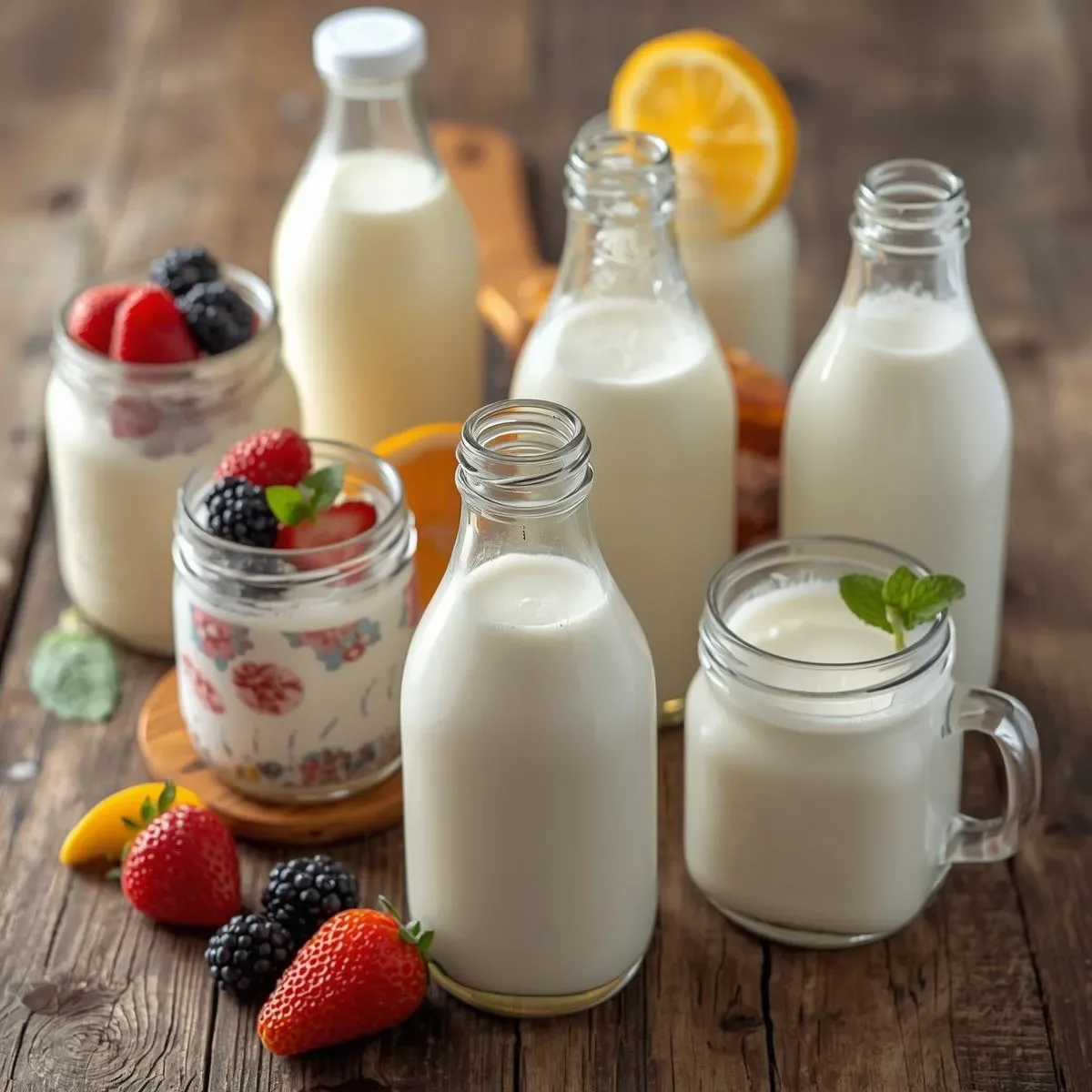
What Is Kefir and Why Is It Called the Drink of the Era?
Kefir is a fermented beverage born from a double 24-hour fermentation of heritage tibicos grains. This process yields a rich diversity of beneficial microorganisms—lactic acid bacteria and yeasts including Lactobacillus, Bifidobacterium, Streptococcus, and Saccharomyces—each playing a distinct role in supporting gut health.
Its acidity sits at pH 4.32, an environment that favours the growth of beneficial microbes while naturally discouraging certain pathogens. Each 280 ml bottle delivers approximately 12 billion CFU/ml of probiotics, a concentration that aligns with biological analysis standards.
The double fermentation method creates a balanced flavour—neither too sharp nor too sour—and keeps sugar at just 2.1 g per bottle. Despite being a fermented dairy drink, it retains a gentle character that suits modern urban lifestyles.
Who May Benefit from Drinking Kefir?
Individuals with Irritable Bowel Syndrome (IBS) or Digestive Discomfort
Those who experience bloating, gas, or irregular bowel movements may find that kefir helps ease symptoms. The 36 strains of live microbes work to restore balance in the gut ecosystem, which can influence gas production and intestinal motility. While results vary, many report gradual improvement with consistent intake.
People with Weakened Immune Systems
A robust gut microbiome is closely linked to overall immunity. The diversity of strains in kefir—especially Lactobacillus and Bifidobacterium—is associated with supporting immune function in the gastrointestinal tract, which in turn may bolster systemic defences. For those prone to recurrent infections, adding kefir to a balanced diet could be a supportive step.
Those Concerned with Skin Health
Gut health and skin are connected through the gut-skin axis. An imbalanced microbiome can contribute to chronic inflammation, which often manifests as acne, redness, or sensitivity. By promoting a healthier microbial community, kefir may help reduce inflammatory markers and, over time, improve skin clarity and resilience.
People Managing Weight or Following a Low-Carb Diet
With only 2.1 g of sugar per bottle, kefir fits easily into low-carb and weight-management plans. It supports efficient digestion without disrupting the gut microbiome—an important factor for metabolic health. Its probiotic content may also help the body extract more nutrients from food.
Precautions for Beginners
Start Small and Listen to Your Body
If you are new to fermented foods, begin with a modest daily amount—30–50 ml is a sensible starting point. This allows your gut to gradually adapt to the influx of new microbes. Some temporary bloating or gas may occur during the first few days; this is normal. If it feels uncomfortable, pause for a day or two, then resume with a smaller dose.
Consider Sugar and Blood Sugar Control
Although kefir is low in sugar (2.1 g per bottle), those with diabetes or strict glucose management should be mindful of the total sugar content in their daily diet. Consult a healthcare professional if you have concerns about how fermented foods fit into your regimen.
Dairy Sensitivity and Allergies
Because kefir is traditionally made from milk, it retains trace amounts of milk proteins. Individuals with confirmed milk allergy or severe lactose intolerance should exercise caution. A plant-based kefir alternative may be better suited for those cases.
How to Drink Kefir Safely and for Best Results
Timing Matters
Consuming kefir in the morning on an empty stomach or before bed may allow the microbes to spend more time in the gut. Avoid drinking it with very hot beverages or alcohol, as extreme temperatures and alcohol can reduce probiotic viability.
Consistency Over Quantity
Daily consumption, even in small amounts, yields the most reliable long-term benefits. The gut microbiome responds best to regular, predictable replenishment. Do not expect immediate changes—the effect builds gradually over weeks and months.
Storage and Freshness
Always refrigerate kefir after opening. For optimal quality and safety, finish the bottle within seven days of opening. This preserves the vitality of the live cultures.
Begin the ritual