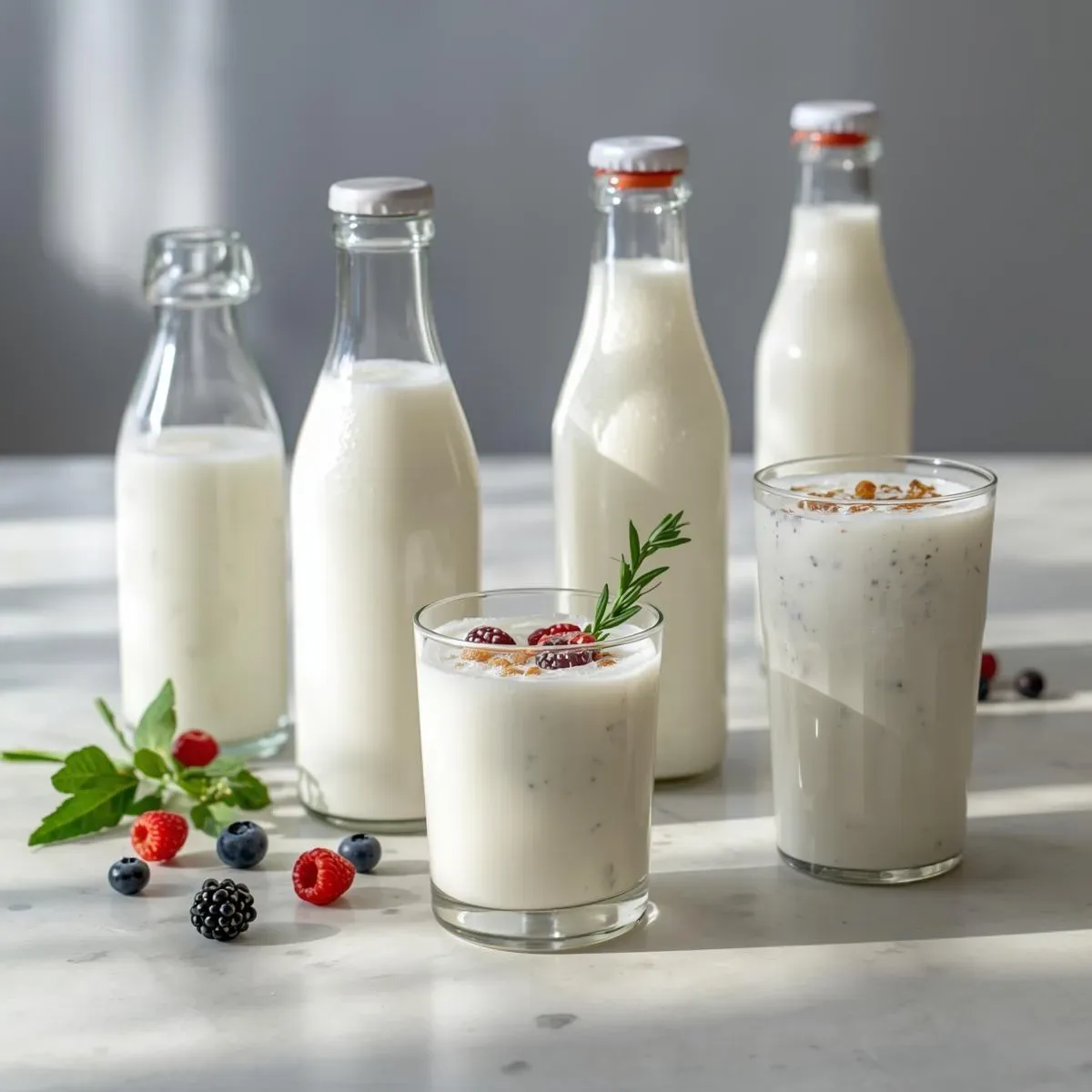
36 Live Strains in a Single Bottle – Measurable Quality
Rokabo kefir is a fermented drink born from heritage tibicos grains, double-fermented for 24 hours under precisely controlled conditions in Nonthaburi. The result is a 280 ml bottle holding a high concentration of living microorganisms: ~12 billion CFU/ml. The community spans key genera—Lactobacillus, Bifidobacterium, Streptococcus, Saccharomyces, and Kefiranofaciens—the last playing a role in forming a protective coating along the intestinal lining.
The pH settles at 4.32, a level that favours probiotic survival through the digestive tract while discouraging pathogenic growth. Sugar content is just 2.1 g per bottle, remarkably low for a fermented beverage, because the dual 24-hour fermentation consumes most of the sugar.
Each bottle is not merely a drink but a living, diverse probiotic source, ready to travel to the large intestine and help restore microbial equilibrium.
The Optimal Window for Consuming Kefir
Timing matters. The body’s digestive rhythms and gastric acidity can affect whether the live cultures reach the gut intact.
Early morning, on an empty stomach, is the most favourable moment. With no competing food mass, the kefir moves swiftly through the stomach and into the small intestine, giving the bacteria and yeasts a direct path to the colon. Starting the day with this dose of live microorganisms sets a foundation for balanced gut ecology.
Drinking kefir before breakfast also gently stimulates the secretion of digestive enzymes, which may improve overall nutrient absorption and, over time, reduce feelings of bloating.
When Effectiveness May Decline
Consuming kefir at times when stomach acid is high—such as immediately after a heavy meal, after strong coffee, or alongside alcohol—can reduce the viability of some strains. High acidity creates a hostile environment, and the cultures may not survive the passage.
Drinking kefir right before bed is not ideal for everyone. Certain strains can stimulate peristalsis, which might lead to mild abdominal discomfort during the night. However, if you experience no such symptoms, a small amount after dinner could support overnight digestion.
Enhancing Probiotic Absorption
For sustained benefit, consistency is key. Aim to drink one bottle (280 ml) daily, especially during the first 2–4 weeks when the microbes are beginning to establish themselves in your gut ecosystem.
Avoid mixing kefir with hot foods or beverages above 40°C, as heat can kill the live cultures. Pairing it with room-temperature or slightly warm water helps the bacteria disperse evenly and reduces the drink’s natural viscosity, which some find heavy on the stomach.
Regularity and the right timing turn a daily ritual into a quiet promise to your microbiome.
Begin the ritual