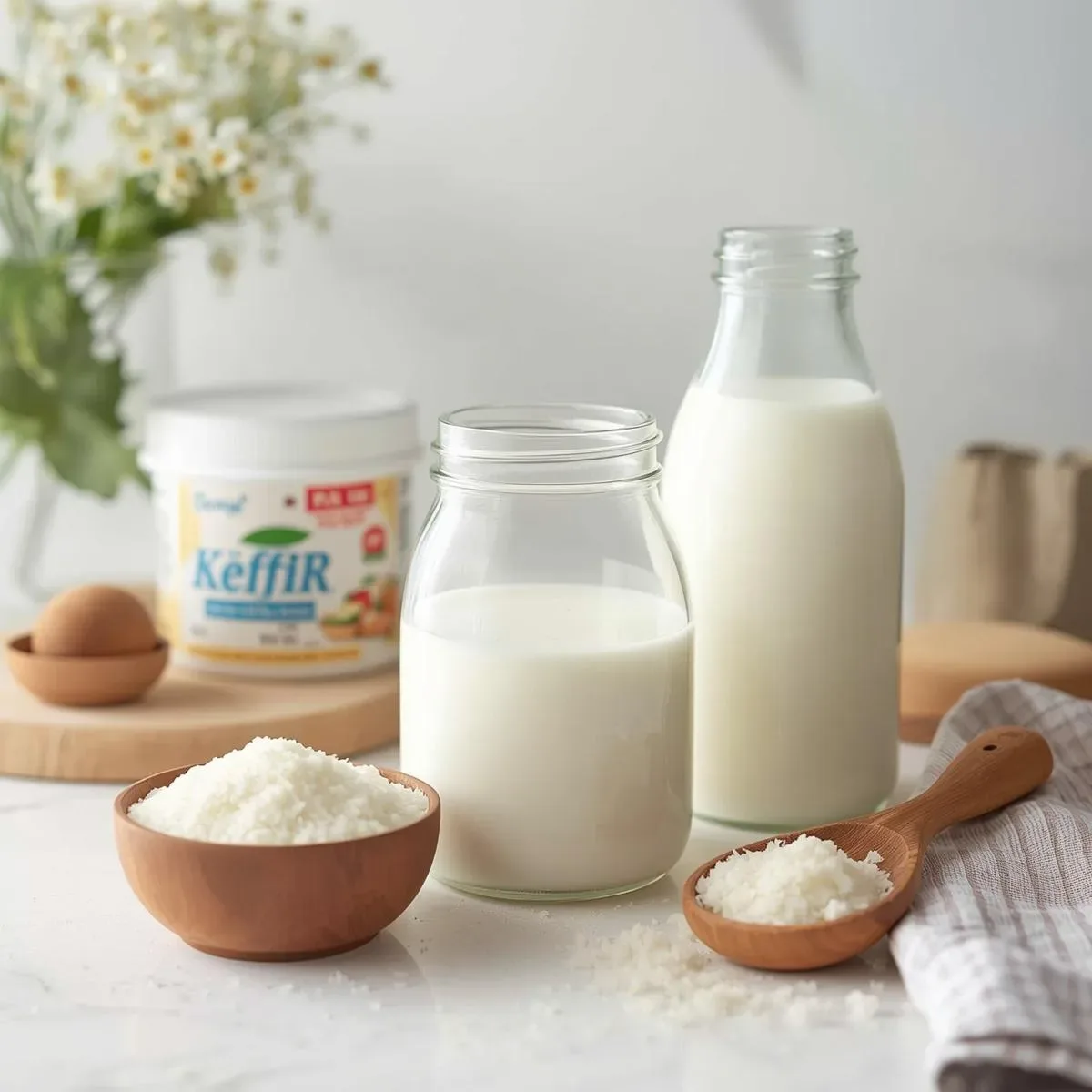
What Is Kefir? The Origin of a Living Fermented Drink
Kefir is a fermented beverage originating from the Caucasus region and the Middle East, with a history of consumption spanning over a thousand years. Its hallmark is the use of kefir grains—biological structures composed of lactic acid bacteria, yeasts, and natural polysaccharides living together in a balanced symbiosis. These grains ferment the sugars in milk or other liquids, yielding a drink that is mildly tangy and smooth, similar to yogurt but with a significantly greater diversity of microorganisms.
At Rokabo, we use heritage tibicos grains—a traditional strain cultivated and fermented in Thailand since 2019—to produce kefir of the highest quality while preserving its natural essence. The fermentation process proceeds slowly over two 24-hour cycles (double fermentation), allowing the microbes to multiply fully and produce beneficial metabolites for the body.
Each bottle contains 280 ml, designed for daily consumption without overburdening the digestive system. The pH is 4.32, a safe and gut-friendly acidity level, while the sugar content per bottle is just 2.1 g, making it suitable for those mindful of carbohydrates and sugar intake.
Hidden Nutritional Value in Every Drop
Rokabo’s kefir provides a probiotic density of approximately ~12 billion CFU/ml, meaning a vast number of live microorganisms per unit volume. This CFU value is precisely measured under laboratory standards and represents the concentration per 1 ml, not a total per-bottle count.
The microorganisms in our kefir include several key strains such as Lactobacillus acidophilus, Bifidobacterium longum, Streptococcus thermophilus, Saccharomyces cerevisiae, and Kefiranofaciens. Each strain plays a distinct role—aiding digestion, producing lactic acid, reducing inflammation in the gut, and strengthening the intestinal barrier.
The total number of microbe strains is 36—far more than the few found in typical kefir products. This diversity allows the kefir to better adapt to different intestinal environments and may help beneficial microbes in the body thrive more effectively.
A Fermentation Path That Respects Nature
Fermenting kefir at Rokabo is not merely a chemical process; it is the creation of a small ecosystem inside every bottle. Using living tibicos grains that reside in strictly controlled environments—temperature, humidity, and cleanliness—we nurture a living culture.
The double fermentation method allows microbes to grow fully over optimal time: the first cycle focuses on breaking down sugars and producing acids; the second cycle emphasizes the development of beneficial metabolites such as vitamin B12, vitamin K2, and short-chain fatty acids (SCFAs).
We use no preservatives and do not pasteurize after fermentation, preserving the natural vitality of the live microbes. Every step is designed so that the kefir we deliver is a truly living drink, not merely a supplement packaged in a bottle.
The Culture of Drinking Kefir in Daily Life
Drinking kefir is more than adding probiotics to your body—it is building a habit that connects you to ongoing self-care. Every week, you receive fresh kefir fermented the same day, available in a variety of flavors: Original, Sakura, Yuzu, Matcha, and Thai Herb.
Each flavor is designed to complement Thai dietary culture without relying on added sugar. The mild, smooth sourness makes it easy to drink even for those unfamiliar with fermented beverages. Priced at ฿320–380 per bottle, with a 15% discount for subscribers and weekly delivery, it becomes an accessible daily ritual.
Regular consumption of kefir may help support gut microbial balance, bolster the immune system, and potentially benefit skin health, mental well-being, and long-term weight management. It all starts with one living drop.
Begin the ritual