What Is Kefir
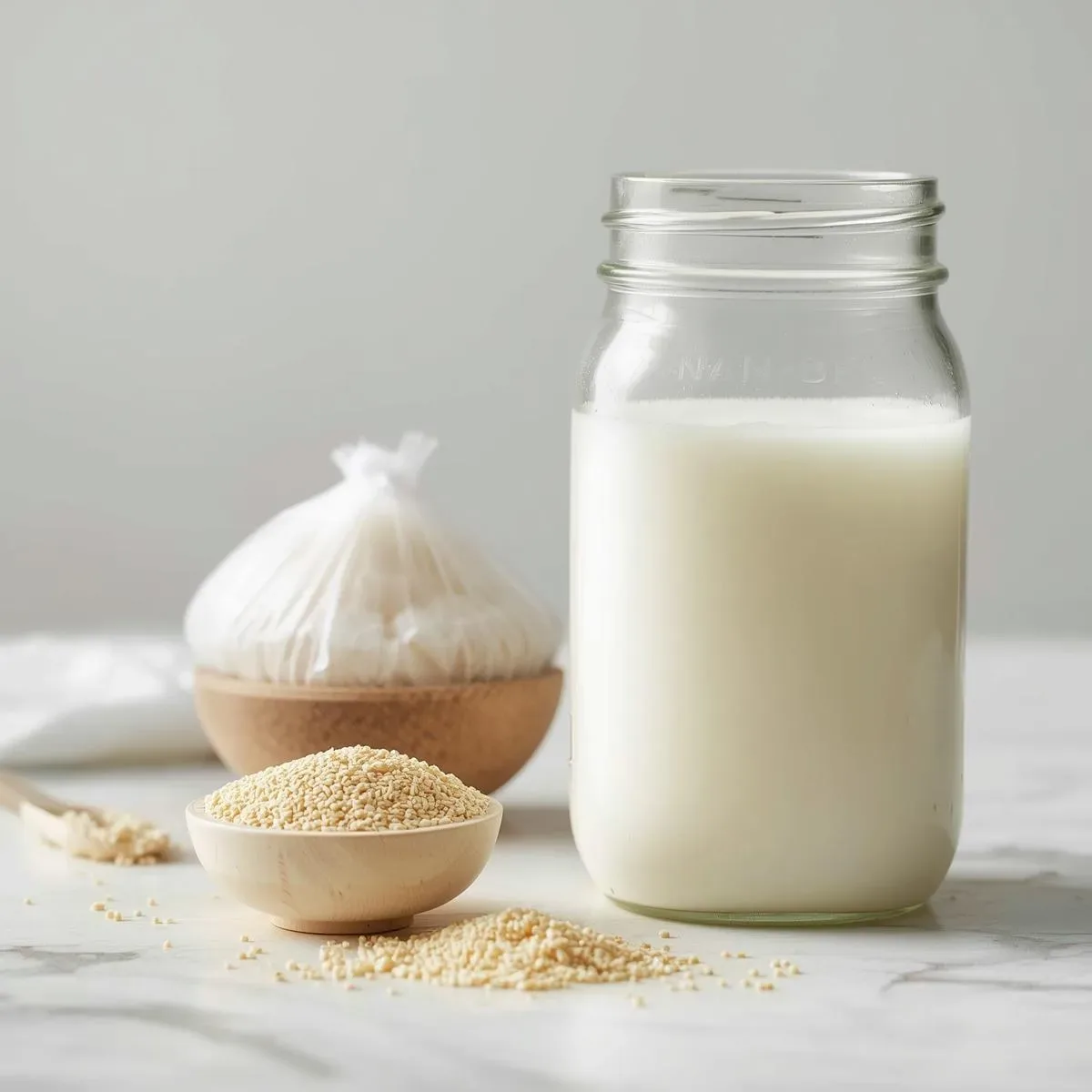
Kefir is a fermented milk drink with origins in the Caucasus region more than 2,000 years ago. The name "kefir" comes from a Turkish word meaning "feeling good." The process uses Tibicos Grains — a symbiotic consortium of bacteria and yeast embedded in a Kefiran matrix — to ferment milk at room temperature for 24 hours.
The result is a drink with a pH of 4.32, a tangy-sweet taste, and 36 strains of living microorganisms, including Lactobacillus kefiranofaciens, L. acidophilus, Bifidobacterium bifidum, Streptococcus thermophilus, Saccharomyces cerevisiae, and others that work together throughout the digestive tract. This diversity is what sets kefir apart from yogurt and other fermented milk products.
Complete Nutrition in One Bottle
A 280 ml serving of kefir provides a range of nutrients together:
- Probiotics: 36 strains, ~12 billion CFU/ml
- Protein: ~8 g — supports satiety and muscle repair
- Calcium: ~30% of the daily recommended intake
- Vitamin B12: supports nervous system function
- Vitamin K2: associated with calcium absorption into bones
- Sugar: only 2.1 g, as the bacteria break down lactose during fermentation
Because lactose is partially broken down, most people with mild to moderate lactose intolerance can drink kefir without discomfort.
Kefir and Gut Health
Our gut houses over 100 trillion microorganisms. When the microbiome is balanced, intestinal cells receive sufficient Short-chain Fatty Acids (SCFAs), the gut wall remains strong, and pathogenic bacteria cannot establish a foothold.
A 2023 study in Nutrients found that drinking 250 ml of kefir daily for four weeks was associated with a significant increase in microbiome diversity, along with higher levels of butyrate — the SCFA that is the primary energy source for colon cells.
The Immune System and GALT
More than 70% of the immune system resides in GALT (Gut-Associated Lymphoid Tissue), the immune tissue in the intestinal wall. Probiotics in kefir may stimulate GALT to produce Secretory IgA — an antibody that guards against pathogens attempting to cross the gut barrier.
Kefiran, a polysaccharide produced by L. kefiranofaciens, has anti-inflammatory properties in vitro, and researchers are continuing to study its effects in humans.
How to Begin Drinking Kefir
For those new to kefir:
- First week: 100–150 ml daily — let your body adjust.
- Second week: Increase to 200–280 ml daily.
- Drink before meals or between meals: Stomach acid is lower, allowing more microbes to survive.
- Drink consistently: The microbiome needs at least four weeks to adapt.
- Store in the refrigerator: Keep below 4°C to preserve live microorganisms.