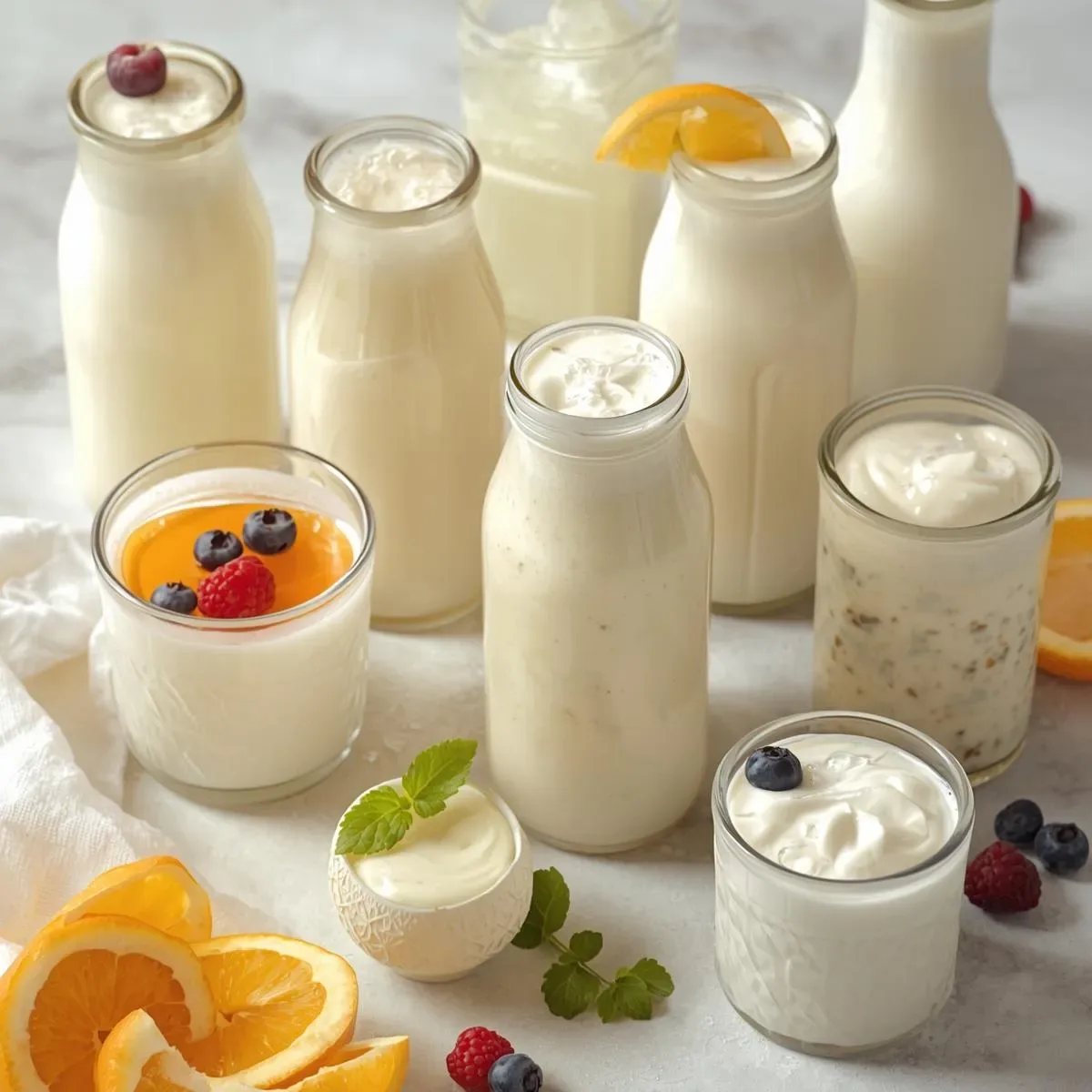
What Is Kefir? Through the Lens of a Healthy Gut
Kefir is no ordinary fermented drink. It is a miniature ecosystem, cultivated through a patient, natural process. Its origins trace back over a thousand years to the Caucasus Mountains, where it was traditionally made from cow or goat milk using ‘kefir grains’ — also called tibicos grains. These are not grains of cereal but living bio-matrices, a symbiotic colony of bacteria and yeasts. At Rokabo, we use heirloom tibicos grains to preserve the full spectrum of microbial life.
Unmatched Microbial Diversity
Rokabo kefir contains 36 distinct strains spanning the genera Lactobacillus, Bifidobacterium, Streptococcus, and Saccharomyces. Each strain plays a specific role. Lactobacillus kefiranofaciens helps produce kefiran, a polysaccharide that supports gut barrier function. Bifidobacterium longum is associated with enhanced nutrient absorption. This diversity is impossible to replicate with standard probiotic supplements, which typically offer only a few strains. The complexity of the kefir microbiome is the key to supporting a balanced gut microbiota.
Measurable Biological Value
Each 280 ml bottle of Rokabo kefir delivers a probiotic density of ~12 billion CFU/ml — a laboratory‑verified concentration. This figure is not extrapolated from the bottle volume; it is a per‑millilitre measurement. The pH of 4.32 is optimal for probiotic survival in the gut and also inhibits unwanted microorganisms. The fermentation runs for 24 hours in a double‑fermentation cycle, ensuring both a balanced flavour and a high count of viable microbes. Sugar is minimal: just 2.1 g per bottle, the remnant of a process that consumes most of the natural sugars.
A Taste for Modern Life
Rokabo kefir is not only beneficial but also drinkable. Its mild sourness, balanced by just 2.1 g of naturally residual sugar, makes it gentle on the stomach. Five flavours are available: Original, Sakura, Yuzu, Matcha, and Thai Herb — the last a reflection of local wisdom using indigenous herbs. Every bottle is crafted in Nonthaburi under the Neo‑Wabi Bio‑Lab philosophy, which blends Japanese simplicity with Thai warmth. No unnecessary additives, no shortcuts.