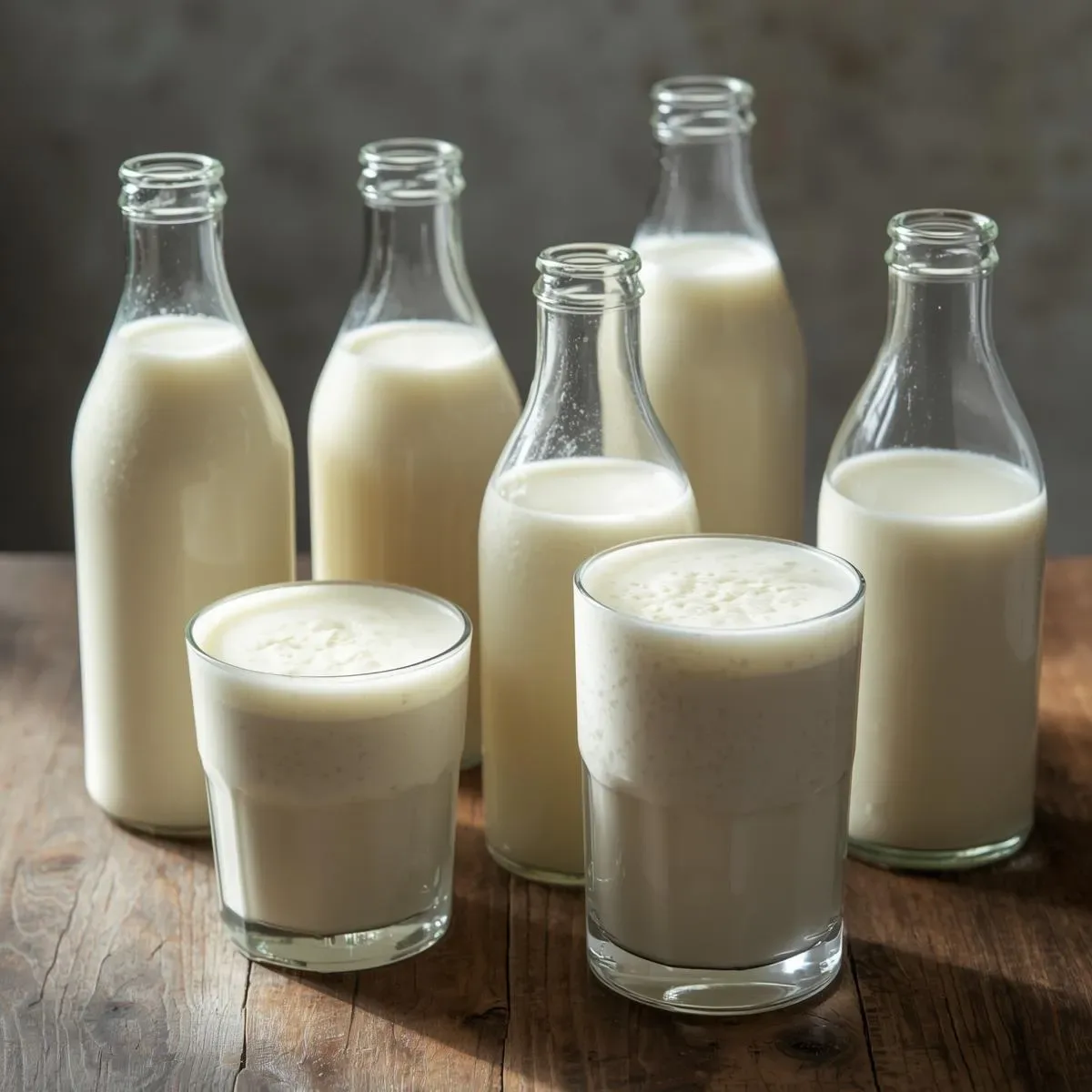
What Is Kefir and Why It’s Considered the Health Drink of the Era
Kefir is a fermented drink born from the symbiotic culture of heritage tibicos grains — a living community of micro-organisms that has existed for centuries in the Caucasus and Central Asia. In our time, kefir has become a quiet emblem of gut-first wellness, delivering a dense population of live microbes in every 280 ml bottle.
The double-fermentation process — 24 hours, twice — allows each of the 36 strains to develop fully, especially Lactobacillus, Bifidobacterium, Streptococcus, and Saccharomyces. These strains play key roles in digestion and immune support. The finished drink has a pH of 4.32, a gentle acidity that helps the beneficial microbes thrive once they reach the gut.
A Living Ecosystem in a Bottle
Unlike yogurt, which typically contains only a few Lactobacillus strains, kefir is a diverse ecosystem of bacteria and yeasts. This diversity helps the microbes colonise the gut more effectively, producing lactic acid to lower intestinal pH and inhibit pathogens. They also generate bacteriocins and kefiran, a polysaccharide that strengthens the intestinal barrier and may reduce the risk of leaky gut.
What the Numbers Mean
- 36 strains — including Lactobacillus, Bifidobacterium, Streptococcus, and Saccharomyces.
- ~12 billion CFU/ml — a stable, per-millilitre concentration, not a per-bottle total. Each 280 ml bottle delivers this potent dose in every serving.
- pH 4.32 — an ideal acidity for maintaining probiotic viability.
- Sugar: 2.1 g per bottle — most of the sugar is consumed during 24-hour double fermentation, leaving only a trace of natural sweetness.
The result is a drink that supports gut microbiota balance not through vague promises, but through measurable, consistent quality.
A Ritual That Renews
Drinking kefir is more than consumption — it is a quiet ritual, a weekly delivery of living cultures to your body. Rokabo offers a range of flavours — Original, Sakura, Yuzu, Matcha, and Thai Herb — each a subtle fusion of Thai botanical tradition and Japanese fermentation craft.
Begin the ritual. Let the microbes do their work.