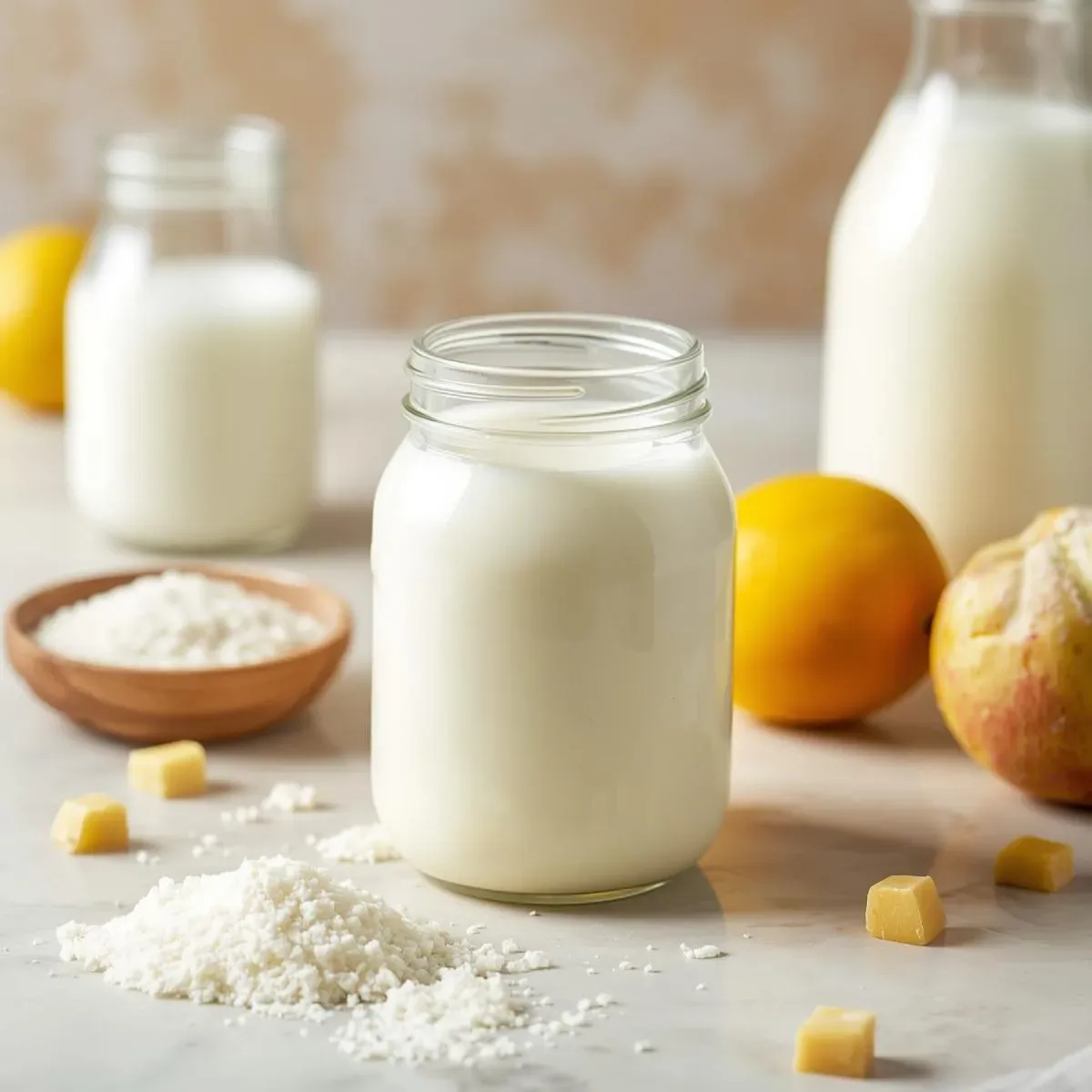
What Is Kefir? A Naturally Concentrated Probiotic
Kefir is a fermented beverage born from the symbiotic interaction between lactic acid bacteria and yeast. This process, using heritage tibicos grains as the culture medium, yields a drink that is not merely a probiotic delivery system but a living tradition rooted in the Caucasus and Western Asia. It is a ritual of bodily care through fermented foods, one that has been refined over centuries.
Rokabo kefir embodies this tradition with scientific precision. Each 280 ml bottle contains 36 distinct microbial strains, including Lactobacillus, Bifidobacterium, Streptococcus, and Saccharomyces. Among them, Lactobacillus kefiranofaciens produces a natural polysaccharide that supports the intestinal barrier, while Bifidobacterium longum is associated with reduced chronic inflammation in the gut. This microbial diversity is what sets kefir apart from simpler probiotic products like yogurt, which typically contain only a few strains.
The heritage tibicos grains are the heart of the process. They are not grains in the botanical sense but a consortium of bacteria and yeasts held together by a polysaccharide matrix. Each grain contains a stable ecosystem that, when fed with milk or a suitable substrate, replicates rapidly. Rokabo sources these grains from a lineage that has been cultivated for generations, ensuring consistency and potency.
The Microbial Complexity of Rokabo Kefir
The 36 strains in every bottle are not a random assembly but a carefully maintained consortium. Each strain plays a specific role in fermentation and in the ecosystem of your gut. The presence of yeasts like Saccharomyces provides additional diversity, as yeasts can survive the acidic environment of the stomach and contribute to gut health in ways that bacteria alone cannot. The balance of these organisms is preserved through the double fermentation process.
Rokabo uses 24-hour double fermentation. In the first stage, the tibicos grains are cultured in milk to build the microbial population. The liquid is then strained and a second fermentation refines the flavor and ensures high viability. This method yields a probiotic concentration of approximately 12 billion CFU per milliliter, one of the highest levels found in commercially available fermented drinks. The final pH is 4.32, a level that is acidic enough to protect the microbes during storage yet gentle enough to allow safe daily consumption.
Measurable Nutritional Value
Every 280 ml bottle delivers live probiotics at a density of ~12 billion CFU/ml. This concentration is maintained by the double fermentation process, which activates a broad spectrum of enzymes and organic acids. The low pH of 4.32 also facilitates the survival of these organisms as they pass through the gastric acid barrier, increasing the likelihood that they reach the large intestine alive.
The sugar content is minimal: only 2.1 grams per bottle. During fermentation, the tibicos grains consume most of the added sugar, leaving a pleasant but restrained sweetness. This makes Rokabo kefir a suitable choice for those monitoring their sugar intake, without compromising on taste or probiotic density. The 24-hour double fermentation also breaks down most of the lactose, making the drink potentially suitable for individuals with lactose intolerance.
Flavor and the Ritual of Consumption
The flavor profile of Rokabo kefir is clean, refreshingly sour, and thin — easy to drink, not thick like yogurt. It comes in several varieties: Original, Sakura, Yuzu, Matcha, and Thai Herb. Each reflects a fusion of Thai culinary heritage with Japanese fermentation techniques. The Original variety highlights the pure lactic tang, while the fruit and herb infusions add layers of nuance without overwhelming the microbial integrity.
Drinking kefir can become a daily ritual. Consume one bottle each day to support gut microbial diversity. Begin with small amounts if you are new to probiotics, and observe how your body responds. Many people report improvements in regularity, reduced bloating, and a calmer digestive system. The key is consistency — the microbial ecosystem thrives on steady nourishment.
Begin the ritual.
Begin the ritual