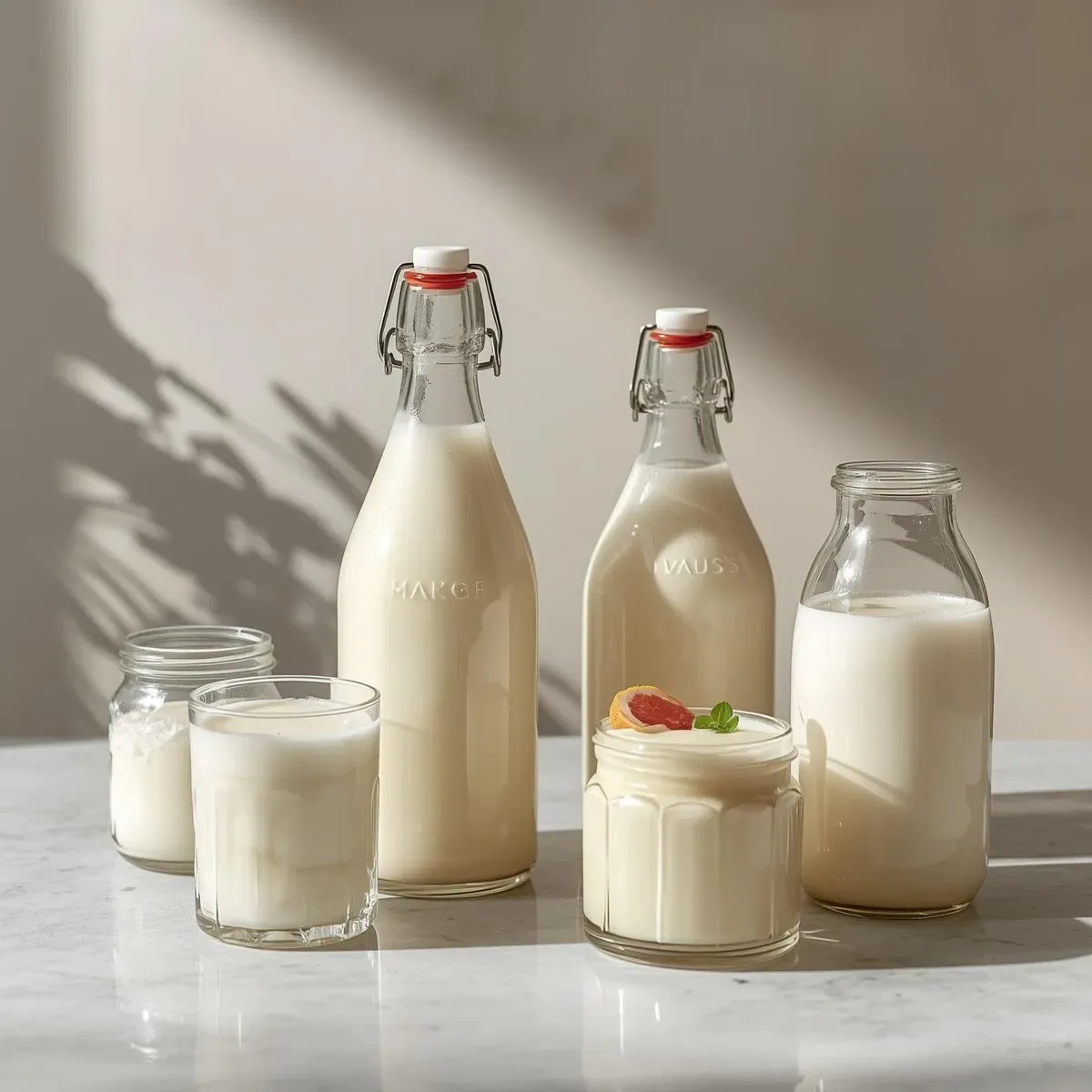
Long-Term Probiotics: Begin the Ritual Safely
Drinking probiotics long-term is not merely a health trend—it is a sustained culture of caring for the body from within. Beneficial microbes such as Lactobacillus, Bifidobacterium, Streptococcus, and Saccharomyces play roles in supporting gut microbiome balance, which influences digestion, immunity, and even aspects of mental well-being. However, starting a daily routine requires accurate information to avoid adverse reactions or choosing a product misaligned with your body’s needs.
The most critical factor is selecting a high-quality, transparent product. For example, one made with heritage tibicos grains, subjected to a double fermentation process over two 24-hour cycles. This method strengthens and diversifies the microbes, while also reducing residual sugar, achieving a pH of 4.32—a level optimal for microbial survival in the digestive tract.
CFU and Strain Diversity
CFU (Colony-Forming Units) per milliliter is a key indicator of probiotic potency. A product with ~12 billion CFU/ml offers a high concentration with significant potential to help rebalance the microbiome. This number represents the concentration per unit volume, not the total per bottle—every milliliter contains approximately 12 billion live microbes.
Additionally, a probiotic with 36 different strains provides high diversity, enriching the gut with a wide range of beneficial species. This diversity may support resilience against changes in the gut environment, such as antibiotic use or dietary shifts. Notable strains include Lactobacillus kefiranofaciens, Bifidobacterium longum, Streptococcus thermophilus, and Saccharomyces boulardii—each studied for their potential digestive health support.
Safety and Body Adjustment
Although probiotics are generally considered safe for most adults, beginning high doses or continuous consumption may cause temporary symptoms like bloating, gas, or stool changes. These usually arise as the new microbes adapt to the gut environment and typically subside within 3–7 days. If symptoms persist or become severe, discontinue use and consult a healthcare professional.
Consistency at a moderate daily dose is key. A 280 ml bottle with pH 4.32 and just 2.1 g of sugar is well-suited for daily consumption, especially for those managing sugar intake or seeking ongoing wellness. It supports better digestive performance and reduces the risks associated with high-sugar processed foods.
A Sustainable Ritual
Drinking probiotics is more than a health supplement—it is a sustainable habit woven into daily life, much like a morning coffee or tea, yet focused on bodily awareness and nourishment. A range of flavours—Original, Sakura, Yuzu, Matcha, and Thai Herb—keeps the ritual enjoyable and reflects local heritage through ingredients like Thai herbs.
A weekly subscription service delivers fresh batches, maintaining peak microbial vitality while offering a 15% discount. Reusable packaging reduces waste, making this a habit that benefits both body and environment.
Begin the ritual