What Are Probiotics from Kefir?
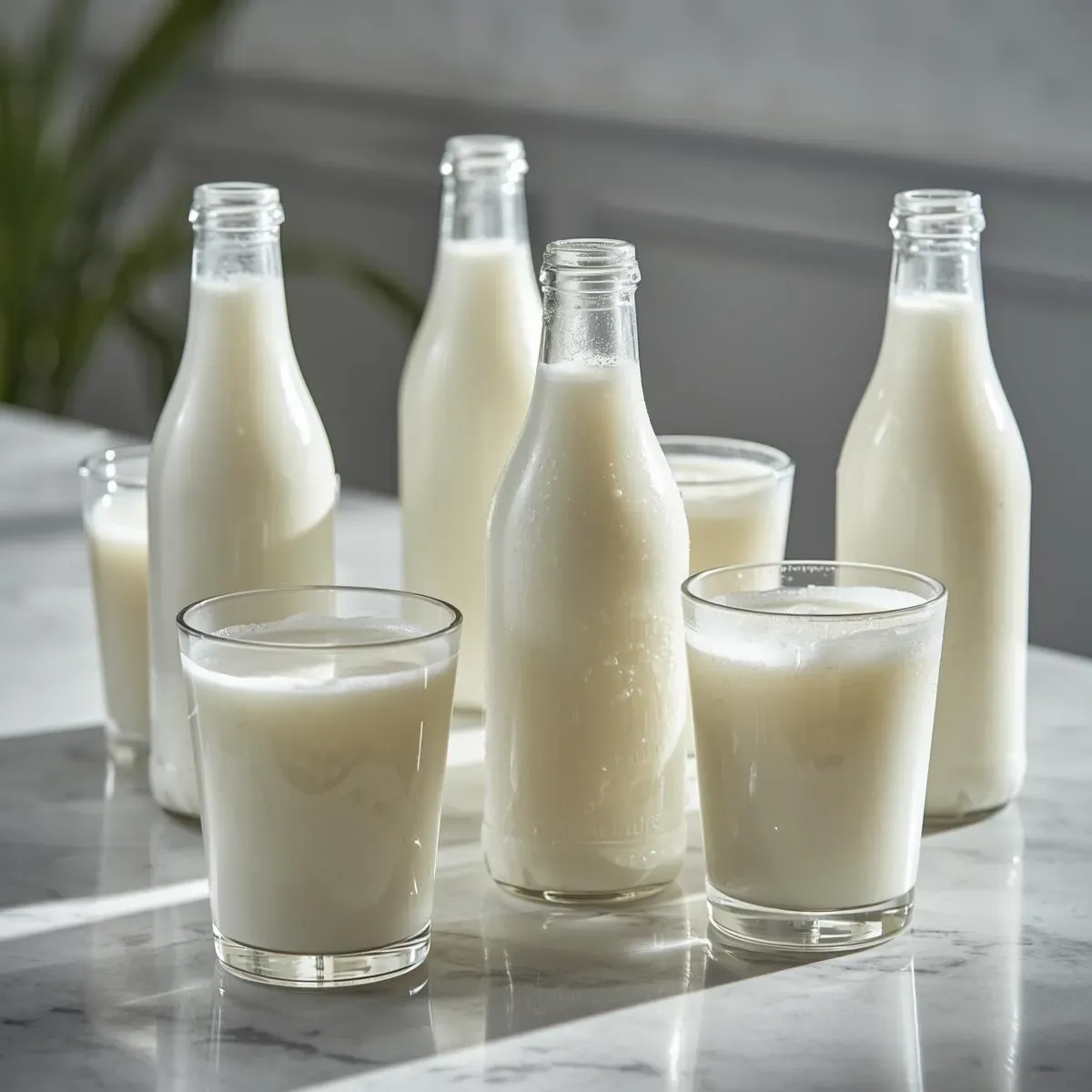
Kefir is a fermented drink born from heritage tibicos grains — living biofilms of bacteria and yeast in symbiotic harmony. At Rokabo, the fermentation unfolds over 24 hours, twice over (double fermentation), allowing the grains to transform natural sugars into lactic acid, acetic acid, and carbon dioxide with quiet precision. The result is a gently acidic elixir (pH 4.32) teeming with balanced, living probiotics.
The concentration is precisely ~12 billion CFU/ml — a fixed measure of live microbial density, not a total extrapolated from the 280 ml volume. This density matters because it reflects the number of viable organisms that can reach the intestinal lining and influence the microbiome.
The Diversity of Microorganisms in Kefir
Rokabo's kefir carries 36 distinct strains, spanning genera such as Lactobacillus, Bifidobacterium, Streptococcus, Saccharomyces, and Kefiranofaciens. Each strain plays a specific role: Lactobacillus acidophilus helps break down lactose and produces acids that discourage pathogens; Bifidobacterium longum may support reduced chronic inflammation in the colon; Saccharomyces boulardii is associated with reinforcing the gut barrier.
This diversity does more than amplify balance — it enhances resilience. A wider range of strains means greater tolerance to stomach acid and bile, giving more organisms a better chance of reaching the small and large intestines intact. A quiet advantage over single-strain or low-diversity probiotics.
How Probiotics Work in the Gut
When you drink the kefir, living organisms enter the digestive tract and begin their work immediately. Despite the harsh acidity of the stomach, the double fermentation and low pH (4.32) have already hardened these microbes, making them more resistant to gastric stress. Many survive to reach the colon.
Once there, they may help fortify the mucus layer — that quiet barrier against foreign invaders — and inhibit the growth of pathogenic bacteria like E. coli or Clostridium difficile by producing lactic acid and natural antimicrobial compounds (bacteriocins). It is a gentle, continuous recalibration rather than a forceful correction.
Nutritional Value and Lifestyle
Each 280 ml bottle is designed for daily consumption without excess sugar. The sugar content is just 2.1 g — the residual from what the microbes have already consumed during fermentation. This makes Rokabo kefir suitable for those mindful of blood sugar.
Flavors range from Original to Sakura, Yuzu, Matcha, and Thai Herb — a quiet blending of Thai ingredients with Japanese precision. Produced in Nonthaburi since 2019 under the concept of Neo-Wabi Bio-Lab, it marries Japanese simplicity with the warmth of Thai culture.
Begin the ritual