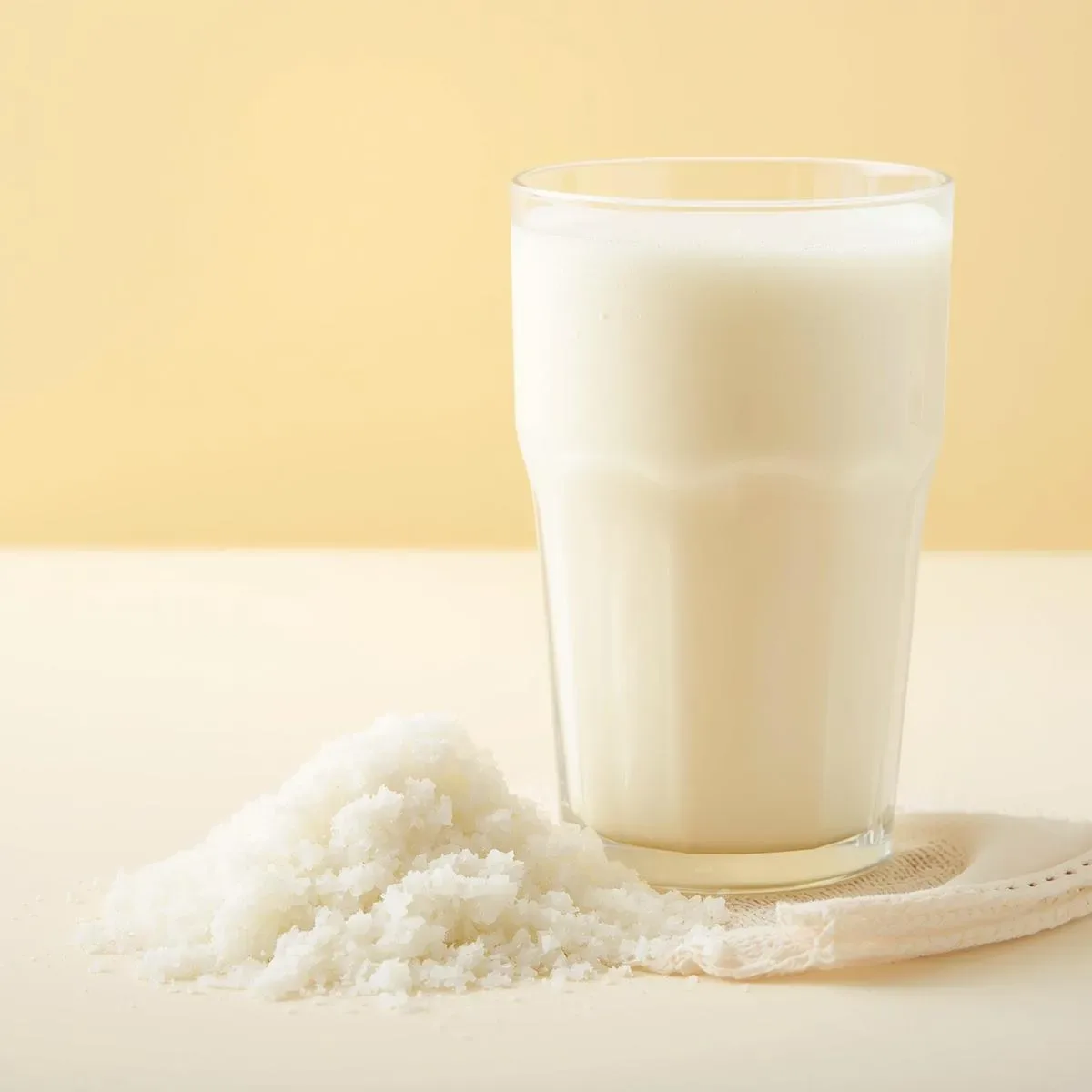
Probiotics in Kefir: The Role in Gut Microbiome Balance
In an era where gut health is considered the cornerstone of overall well-being, probiotics have become essential for digestive care. Kefir, with its complex microbial structure, stands as a powerful probiotic source—far beyond common fermented products like yogurt, which typically contain only a few strains. Rokabo kefir brings together 36 microbial strains, including Lactobacillus, Bifidobacterium, Streptococcus, Saccharomyces, and Kefiranofaciens, each playing distinct roles in supporting intestinal health.
The CFU (colony-forming units) concentration of ~12 billion CFU/ml reflects the density of live microorganisms. While not guaranteed to colonize the gut permanently, regular consumption in adequate amounts may help create an environment favorable for beneficial bacteria to thrive.
Rokabo kefir is produced through a 24-hour double fermentation process using heritage tibicos grains. This method allows the microorganisms to develop fully—both in diversity and metabolic activity—resulting in a pH of 4.32. This acidity level is ideal for the survival of beneficial microbes as they pass through the stomach, while also giving the kefir its signature mild tang.
The Diversity of Microorganisms in Rokabo Kefir
It is not merely the number of strains that matters, but their genetic and functional diversity. For example, Lactobacillus kefiranofaciens, naturally present in tibicos grains, has been studied for its antimicrobial properties and potential to reduce intestinal inflammation. Meanwhile, Bifidobacterium spp. help break down dietary fiber and produce short-chain fatty acids (SCFAs), which are primary energy sources for colon cells.
Yeasts such as Saccharomyces cerevisiae and Kluyveromyces marxianus also play a role—they not only ferment sugars but may help regulate unwanted microbes in the gut and support the immune system by stimulating T-regulatory cells, which modulate excessive immune responses.
Having 36 strains is not just a number; it represents a balanced microbial ecosystem that can help the body adapt to changes in the microbiological environment, especially for those with irregular eating habits or a history of antibiotic use.
Physical and Chemical Properties That Support Gut Health
Each bottle of Rokabo kefir contains 280 ml—a portion that is comfortable to consume without causing fullness or discomfort. The sugar content is only 2.1 g per bottle, derived from natural residual sugars remaining after fermentation, making it low compared to typical beverages.
The pH of 4.32 is within a safe range for consumption and enhances the survival of live microorganisms in the acidic stomach environment. Although not all microbes may reach the large intestine, this optimal pH increases their chances of survival.
The 24-hour double fermentation allows the microorganisms to produce metabolites such as lactic acid, acetic acid, and other compounds that may help regulate the gut flora and improve the flavor, yielding a smooth, mildly sour taste.
A Sustainable Kefir Culture
Drinking kefir is more than a health practice—it is a ritual of self-care. Rokabo kefir is crafted in Nonthaburi, Thailand, respecting traditional fermentation culture while embracing a Neo-Wabi Bio-Lab design philosophy that values simplicity, naturalness, and subtlety.
The variety of flavors—Original, Sakura, Yuzu, Matcha, and Thai Herb—reflects the fusion of Thai and Japanese food cultures, passed down through a living fermentation process. Each sip becomes an experience that is both delicious and meaningful.
Begin the ritual