Probiotics from Nature vs Capsules: How Are They Different?
In an era when gut health has become the cornerstone of overall well-being, probiotics are no longer a passing trend — they are an essential part of a mindful lifestyle. These beneficial microorganisms help maintain the balance of the gut microbiota, support digestive function, and may positively influence immune response. Today, probiotics are available in various forms: naturally fermented foods such as yogurt, kefir, kimchi, or miso, and supplements in capsules, powders, or chewables. The choice between them depends on the source, the diversity of strains, and the ability of the microorganisms to survive the journey to the distal gut.
Kefir from Heritage Tibicos Grains: Nature's Controlled Answer
Kefir produced from heritage tibicos grains through a 24-hour double fermentation process does more than deliver live microorganisms. It creates an environment that fosters the growth of multiple beneficial bacterial strains. Our product contains 36 strains, including Lactobacillus, Bifidobacterium, Streptococcus, Saccharomyces, and the unique Kefiranofaciens, which is associated with reducing inflammation in the gut. The pH of 4.32 is optimally balanced to survive the acidic conditions of the stomach, ensuring that a high proportion of these strains reach the intestines alive.
The True CFU Value: The Heart of Efficacy
Our kefir delivers approximately 12 billion CFU per milliliter — a precise measurement of live microorganism density per unit volume. This figure is not extrapolated from the 280 ml bottle volume, but a per-ml concentration. The CFU value is the most accurate indicator of a product's potential efficacy. Multiplying 12 billion by 280 would yield a misleading total, which does not align with scientific standards. Understanding CFU as a density is crucial for comparing probiotics across different volumes and forms.
A Controlled Balance of Nature in Every Bottle
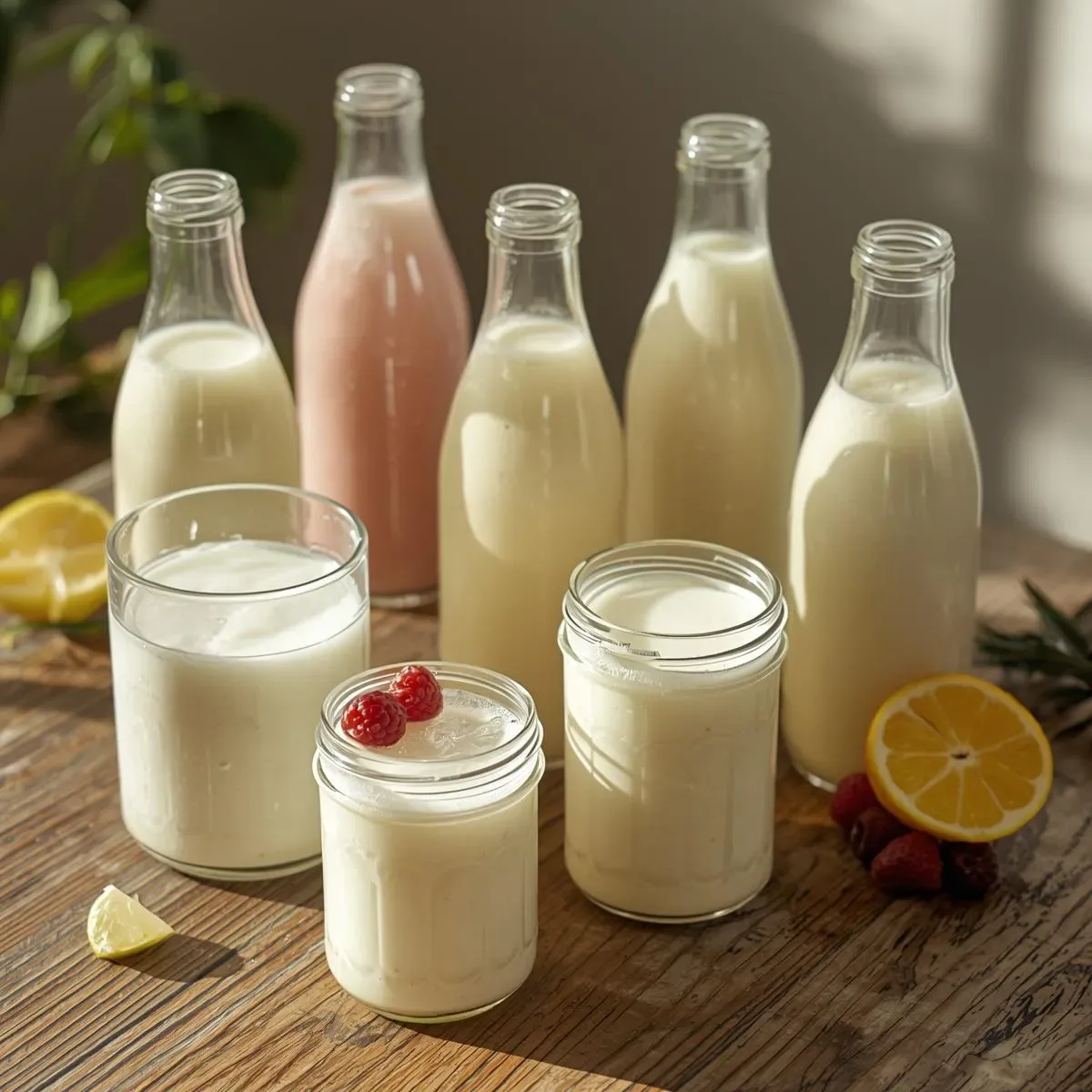
One 280 ml bottle of our kefir delivers 36 strains of live probiotics, along with proteins, vitamins, minerals, and only 2.1 grams of sugar — lower than the average for fermented beverages. Available in Original, Sakura, Yuzu, Matcha, and Thai herb flavors, it appeals to those who enjoy gentle acidity as well as those seeking familiar tastes from Thai culture. Every bottle is produced at the Neo-Wabi Bio-Lab in Nonthaburi, using a transparent, clean process that respects nature.