The Ecosystem Within a Grain
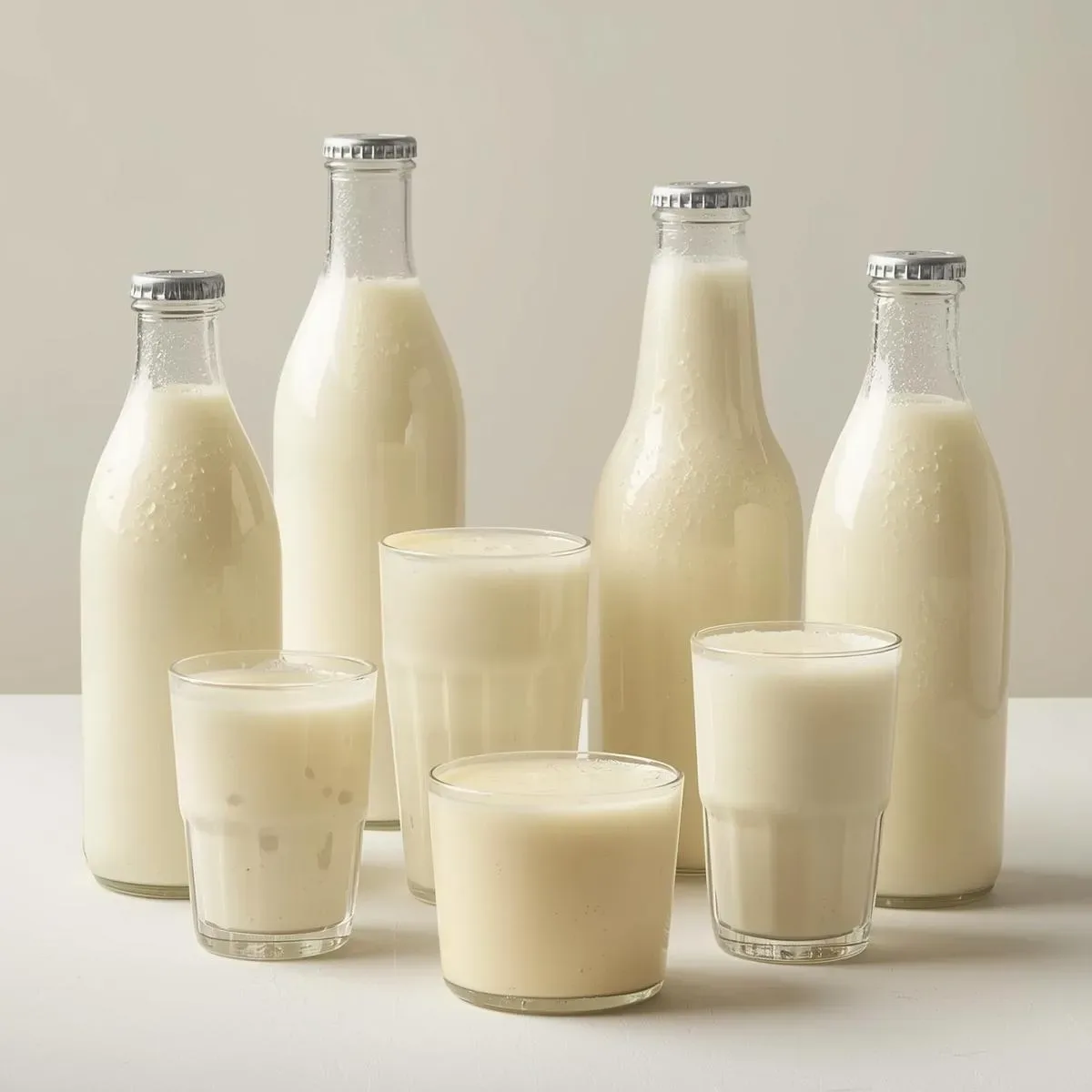
Kefir is not merely a fermented drink; it is a living microbial ecosystem housed within heritage tibicos grains—the origin of a fermentation culture that stretches back centuries in the Caucasus region. Each grain is a complex biological structure containing beneficial bacteria such as Lactobacillus, Streptococcus, and Bifidobacterium, alongside yeasts like Saccharomyces and Kefiranofaciens. The latter play a vital role in producing natural antimicrobial compounds and providing energy for other microorganisms. The 24-hour double fermentation process ensures that each strain grows in harmony, preserving the biodiversity of the ecosystem within every bottle.
Measured Microbial Density
Each 280 ml bottle of Rokabo kefir delivers approximately 12 billion CFU/ml of probiotics—a figure obtained through actual laboratory measurement of the controlled fermentation, not extrapolated from volume. The CFU value represents the average concentration verified across multiple fermentation cycles. By maintaining healthy tibicos grains and conducting consistent fermentations, the microbial density remains high and stable, even during refrigerated storage. The pH of 4.32 is both safe for consumption and conducive to the survival of live cultures as they pass through the digestive tract.
Diversity That Supports Balance
Rokabo kefir contains 36 strains of microorganisms—far more than the typical 5–10 strains found in most probiotic products. This diversity allows beneficial microbes to establish themselves in various niches within the gut, from the small intestine to the colon. Each strain has a specialized role: Lactobacillus acidophilus supports sugar digestion and may help reduce inflammation, while Bifidobacterium longum aids calcium and B-vitamin absorption. Such richness may help fortify the flexibility of the microbiome, enabling the body to adapt more readily to dietary changes or environmental stressors.
Low Sugar, Rich Flavor, Everyday Ritual
Despite being a fermented beverage, Rokabo kefir contains only 2.1 grams of sugar per bottle—far less than typical fermented drinks. The 24-hour double fermentation process consumes most of the sugar, leaving behind a delicate, balanced tartness and a fragrant aroma from freshly cultured tibicos grains. With flavors including Original, Sakura, Yuzu, Matcha, and Thai Herb, drinking kefir becomes a weekly pleasure, a quiet ritual woven into daily life rather than a temporary health intervention.
Begin the ritual