← All entries
2022.02.06·GUT · 腸·1 MIN READ

Storing Kefir: Keep Live Cultures and Nutritional Value Intact

การเก็บรักษาคีเฟอร์ให้จุลินทรีย์มีชีวิตและคุณค่าทางโภชนาการครบถ้วน
発酵ケフィアの正しい保存方法:生きた微生物と栄養価を守る
Storing Kefir: Keep Live Cultures and Nutritional Value Intact

Why Storage Matters for a Living Drink

Kefir is not a static beverage. The microorganisms inside the bottle remain active – they continue fermenting residual sugars, produce additional lactic acid, and gradually alter the environment within. Temperature, container, and time all influence the CFU count you actually receive when you drink.

A clear example: Rokabo Original Kefir contains ~12 billion CFU/ml at bottling. If stored incorrectly, this number can drop significantly before it reaches your mouth.

Five Principles of Kefir Storage

1. Temperature 1–4°C is Standard

The refrigerator slows microbial activity without killing. At room temperature (28–35°C in Bangkok), fermentation accelerates rapidly: pH falls, the taste becomes sharply sour, and the balance between strains can shift within 4–6 hours.

2. Use an Airtight Glass Container, Not Metal

The lactic acid in kefir (pH 4.32) can react with iron or aluminium. Glass or food-grade plastic is ideal. Keep the lid tight to prevent contamination and preserve the small amount of CO₂ that helps inhibit pathogens.

3. Absolutely Avoid Heat Above 40°C

Most kefir microorganisms begin to degrade quickly above 40°C and die above 60°C. Never heat, never mix with hot liquids, and never leave the bottle in a car parked under Bangkok’s sun.

4. Do Not Drink Directly from the Bottle

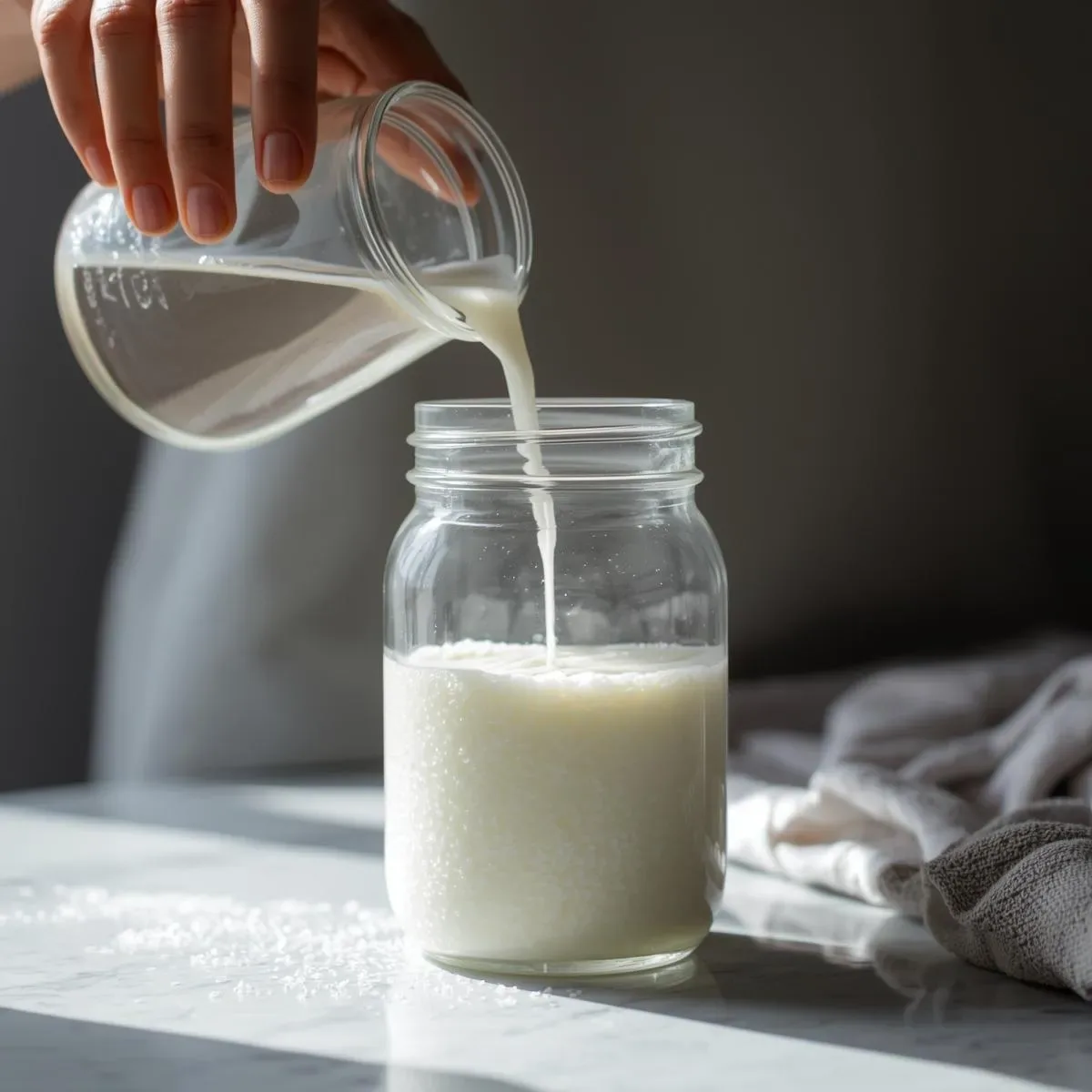
Saliva contains enzymes and bacteria from your mouth that can contaminate the bottle and alter the microbial balance. Always pour into a glass.

5. Drink Within 3–5 Days After Opening

Once opened, the protective CO₂ is lost and oxygen begins reacting with certain strains. The quality remains optimal for the first 3–5 days after opening.

Shelf Life by Scenario

Situation Approximate shelf life
Unopened, refrigerated Until the expiry date on the label
Opened, refrigerated 3–5 days
Room temperature (Bangkok) 4–8 hours
Frozen Possible, but CFU drops 20–50%

Signs That Kefir Is Still Good

Good kefir has a slightly tangy, yoghurt-like aroma, a mild sour taste, and may show tiny bubbles from CO₂. Warning signs include a sharp, unpleasant sour smell, discoloration, surface mold, or a bitter taste.

Proper storage is a shared responsibility — the producer maintains quality until the bottle reaches you; you care for it from that point.

Begin the ritual

kefirstorageprobioticsfermentationgut-healthfood-safety

Frequently asked

How long can kefir be stored after opening?
It is recommended to drink within 3–5 days after opening. Keep it in the refrigerator at 1–4°C in an airtight container. After that, microbial quality begins to decline even though it may not spoil.
Can kefir be stored in the freezer?
Yes, for long-term storage, but freezing reduces CFU by 20–50% because ice crystals damage some microbial cells. Thaw in the refrigerator before drinking; do not microwave.
Why is my kefir more sour than before?
Microorganisms continue fermenting residual sugar in the bottle, lowering pH and increasing sourness over time, especially if stored at higher temperatures. This is a sign that the cultures are still alive.
What container should I use to store kefir?
A glass bottle with an airtight seal is best. Do not use metal as lactic acid can react. Food-grade plastic is acceptable, but glass is preferred because it does not retain odors and is easier to clean.

Read in another language

ภาษาไทย · Thai

ทำไมการเก็บรักษาถึงสำคัญสำหรับเครื่องดื่มมีชีวิต

คีเฟอร์ไม่ใช่เครื่องดื่มที่นิ่งอยู่กับที่ จุลินทรีย์ในขวดยังคงมีกิจกรรมชีวภาพต่อเนื่อง — หมักน้ำตาลที่เหลือ ผลิตกรดแลคติกเพิ่ม และค่อยๆ เปลี่ยนสภาพแวดล้อมในขวด อุณหภูมิ ภาชนะ และเวลาล้วนส่งผลต่อจำนวน CFU ที่คุณได้รับจริงๆ เมื่อดื่ม

ตัวอย่างที่ชัดเจน: Rokabo Original Kefir มี ~12 พันล้าน CFU/ml เมื่อบรรจุ หากเก็บผิดวิธีตัวเลขนี้อาจลดลงอย่างมีนัยสำคัญก่อนถึงปาก

หลักการเก็บรักษา 5 ข้อ

1. อุณหภูมิ 1–4°C คือมาตรฐาน
ตู้เย็นชะลอการทำงานของจุลินทรีย์โดยไม่ฆ่า ที่อุณหภูมิห้อง (28–35°C ในกรุงเทพฯ) จุลินทรีย์จะหมักต่ออย่างรวดเร็ว ค่า pH ลดลง รสเปรี้ยวจัดขึ้น และสมดุลระหว่างสายพันธุ์เปลี่ยนแปลงได้ภายใน 4–6 ชั่วโมง

2. ใช้ภาชนะแก้วปิดสนิท ไม่ใช่โลหะ
กรดแลคติกใน Kefir (pH 4.32) ทำปฏิกิริยากับโลหะเหล็กหรืออลูมิเนียมได้ ขวดแก้วหรือ Food-grade plastic เหมาะที่สุด ปิดฝาให้สนิทเพื่อป้องกันการปนเปื้อนและรักษา CO2 เล็กน้อยที่ช่วยยับยั้งเชื้อโรค

3. หลีกเลี่ยงความร้อนเกิน 40°C อย่างเด็ดขาด
จุลินทรีย์ส่วนใหญ่ใน Kefir เริ่มเสื่อมสภาพอย่างรวดเร็วเมื่ออุณหภูมิเกิน 40°C และตายเมื่อเกิน 60°C ไม่ควรอุ่น ไม่ควรผสมกับของร้อน และไม่ควรทิ้งไว้ในรถที่จอดกลางแดดในกรุงเทพฯ

4. ไม่ดื่มจากขวดโดยตรง
น้ำลายมีเอนไซม์และแบคทีเรียจากปากที่อาจปนเปื้อนและเปลี่ยนสมดุลจุลินทรีย์ในขวดได้ ควรเทใส่แก้วทุกครั้ง

5. ดื่มภายใน 3–5 วันหลังเปิด
เมื่อเปิดขวดแล้ว CO2 ที่ปกป้องสูญเสียไป และออกซิเจนเริ่มทำปฏิกิริยากับจุลินทรีย์บางสายพันธุ์ คุณภาพยังดีอยู่ใน 3–5 วันแรกหลังเปิด

อายุการเก็บรักษาในแต่ละสถานการณ์

สถานการณ์ อายุโดยประมาณ
ยังไม่เปิด ในตู้เย็น ตามวันหมดอายุบนฉลาก
เปิดแล้ว ในตู้เย็น 3–5 วัน
อุณหภูมิห้อง (กรุงเทพฯ) 4–8 ชั่วโมง
แช่แข็ง ได้ แต่ CFU ลดลง 20–50%

สัญญาณที่บอกว่าคีเฟอร์ยังดีอยู่

คีเฟอร์ที่ยังดีจะมีกลิ่นเปรี้ยวหอมเล็กน้อยคล้ายโยเกิร์ต รสเปรี้ยวอ่อนไม่ฉุน และอาจมีฟองเล็กน้อยจาก CO2 สัญญาณที่ควรระวัง ได้แก่ กลิ่นเปรี้ยวฉุนผิดปกติ สีเปลี่ยน มีเชื้อราบนพื้นผิว หรือรสชาติขมผิดปกติ

การเก็บรักษาที่ถูกวิธีเป็นความรับผิดชอบร่วมกัน — ผู้ผลิตดูแลคุณภาพจนถึงมือคุณ คุณดูแลต่อจากนั้น

เริ่มต้นวัฒนธรรมที่มีชีวิต

日本語 · Japanese

生きた飲み物の保存が重要な理由

ケフィアは決して静的な飲み物ではありません。ボトル内の微生物は活動を続けています – 残留糖を発酵させ、乳酸を追加で生成し、環境を徐々に変えていきます。温度、容器、時間はすべて、あなたが飲むときに実際に摂取するCFU数に影響します。

明確な例:Rokabo Original Kefirはボトリング時点で約120億 CFU/mlを含んでいます。もし誤った保存方法をとれば、この数値は口に届く前に大幅に減少する可能性があります。

ケフィア保存の5つの原則

1. 温度1~4°Cが標準

冷蔵庫は微生物の活動を遅らせますが、殺しません。室温(バンコクでは28~35°C)では発酵が急速に進み、pHが下がり、味が強く酸っぱくなり、菌株間のバランスが4~6時間で変化することがあります。

2. 密閉できるガラス容器を使用し、金属は避ける

ケフィアの乳酸(pH 4.32)は鉄やアルミニウムと反応する可能性があります。ガラスまたは食品用プラスチックが理想的です。蓋をしっかり閉めて汚染を防ぎ、病原菌の抑制に役立つ微量のCO₂を保持します。

3. 40°C以上の熱は絶対に避ける

ケフィアの微生物のほとんどは40°Cを超えると急速に劣化し始め、60°Cを超えると死滅します。決して加熱せず、熱い液体と混ぜず、バンコクの日差しの下に駐車した車内にボトルを置かないでください。

4. ボトルから直接飲まない

唾液には口内の酵素や細菌が含まれており、ボトルを汚染し微生物のバランスを変える可能性があります。必ずグラスに注いでください。

5. 開封後は3~5日以内にお飲みください

開封すると保護的なCO₂が失われ、酸素が特定の菌株と反応し始めます。品質は開封後最初の3~5日間が最適です。

状況別の保存期間

状況 おおよその保存期間
未開封・冷蔵 ラベルの賞味期限まで
開封後・冷蔵 3~5日
室温(バンコク) 4~8時間
冷凍 可能だが、CFUは20~50%減少

ケフィアがまだ良好であるサイン

良好なケフィアはわずかに酸味のあるヨーグルトのような香り、マイルドな酸味、そしてCO₂による小さな泡が見られることがあります。注意すべき兆候は、鋭く不快な酸っぱい匂い、変色、表面のカビ、または苦味です。

適切な保存は共有の責任です – 生産者はボトルがあなたの手に届くまで品質を維持し、あなたはその後をケアします。

生きる文化を始める

Storing Kefir: Keep Live Cultures and Nutritional Value Intact · Rokabo