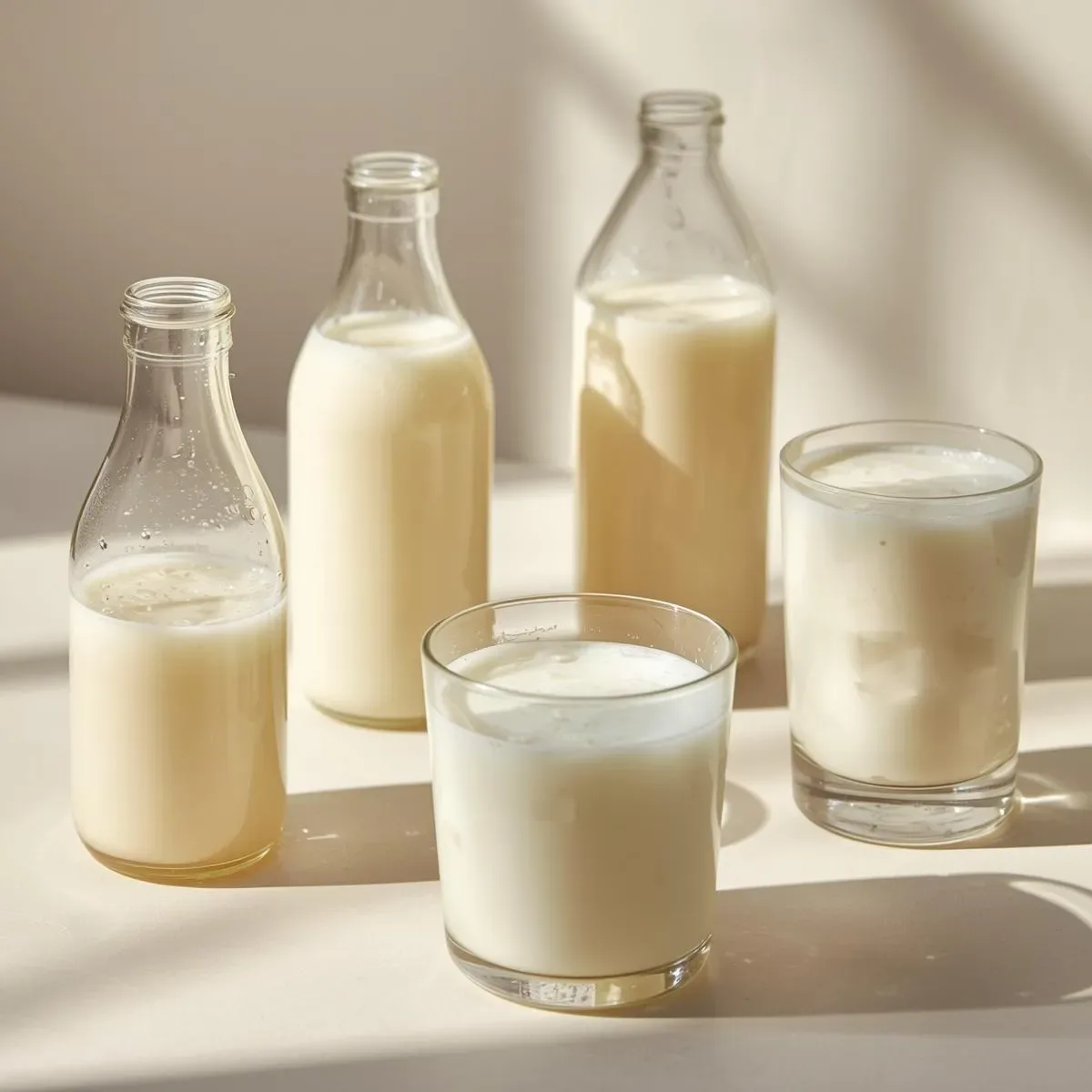
The Anatomy of Superior Kefir
A ready-to-drink kefir of genuine quality speaks through numbers and process, not mere taste. Its foundation is a double fermentation lasting a full twenty-four hours, using heritage tibicos grains. This slow, deliberate rhythm allows a balanced consortium of microorganisms to flourish and produce metabolites that support the body.
Each 280 ml bottle is a calibrated portion — designed for single consumption at the peak of freshness. The pH settles at 4.32, a level that preserves the viability of probiotics while offering a gentle tartness that invites daily drinking. The sugar content is held at 2.1 g per bottle, far below commercial norms, and achieved without any hidden sweeteners or fruit concentrates.
The True Measure of Probiotics
Real kefir is defined by its microbial richness: at least thirty-six distinct strains. Among them are Lactobacillus kefiri, Lactobacillus acidophilus, Bifidobacterium species, Streptococcus thermophilus, and Saccharomyces kefir — each playing a specific role in modulating the gut microbiota, supporting digestion, and reinforcing immune function.
The critical metric is the colony-forming unit concentration: ~12 billion CFU per millilitre. This figure is obtained from direct laboratory measurement of the finished product, under tightly controlled fermentation conditions. It is not an average or an estimate. The CFU value must never be recalculated — multiplying by the 280 ml volume to produce a per-bottle total would be misleading. The concentration itself is the standard of potency.
The Art of Label Reading
Selecting a premium kefir begins with a careful study of the label. Look first at sugar. Our product contains 2.1 g per bottle — a level so low that it reflects the natural reduction achieved through double fermentation, not through dilution or additives. Avoid any kefir that lists preservatives, stabilisers, or artificial flavours, as these can harm living microorganisms.
A trustworthy label will name the raw materials: milk (dairy or plant-based) fermented with genuine tibicos grains, produced in a facility certified to GMP and HACCP standards. Check the production and expiry dates — probiotics are living entities; the fresher the bottle, the more vigorous the culture. Packaging matters: a sealed glass or high-barrier plastic bottle protects against oxygen and maintains quality during transport and storage.
The Ritual of Consumption
For maximum benefit, drink one 280 ml bottle daily, always kept refrigerated. Morning or before a meal is ideal — the probiotics then have an unobstructed passage to the large intestine. Never heat the kefir or mix it with hot beverages; heat destroys the living culture. Once opened, consume within twenty-four hours and keep the bottle sealed and cold between servings.
Our kefir is crafted in Nonthaburi, using a double fermentation process with strict temperature and humidity control, so every bottle reflects the same precision. This is not a product of haste, but of patience and science.