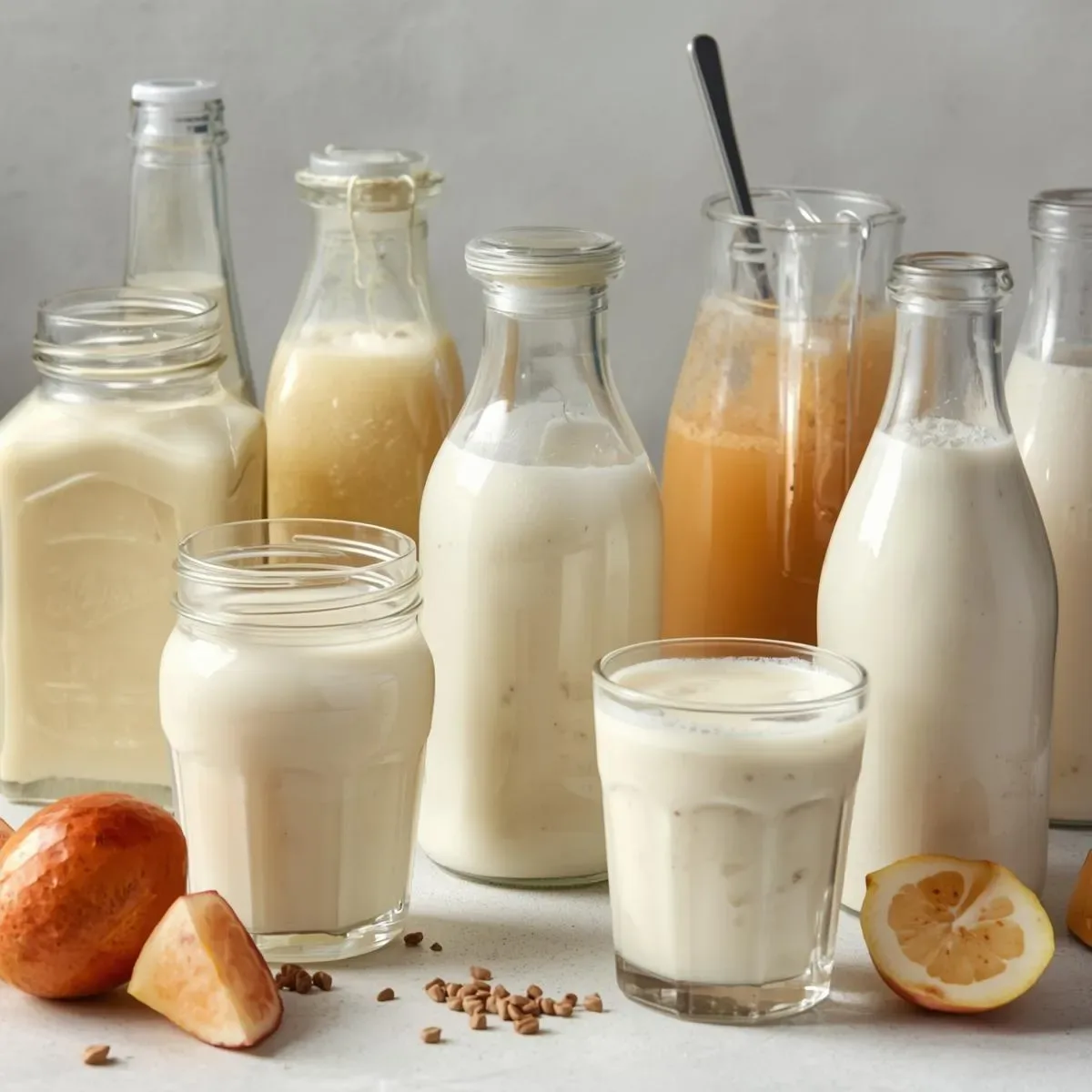
Kefir as a Cultural Symbol
Kefir did not emerge solely from a pursuit of health; it is a product of a lifestyle lived in close harmony with nature. Since ancient times in the Caucasus Mountains, kefir was fermented in animal-skin bags—a natural vessel that allowed microbes to thrive in balance. People in this region did not merely drink kefir; they wove it into rituals, beliefs, and family health practices. This fermentation culture is not just a production process but a transmission of knowledge accumulated over centuries.
In many communities, kefir is passed down through generations via tibicos grains—a bio-structure rich in microbial diversity, where bacteria and yeast coexist in equilibrium. The reverence for kefir thus goes beyond taste: it is a connection to nature, sustainability, and holistic bodily care.
Kefir in Eastern European Culture
In Russia, Ukraine, and Poland, kefir is a daily staple, consumed at breakfast and dinner, especially in households that preserve traditional ways. It is drunk to stimulate digestion, support immunity, and even used as a folk remedy. People believe that regular consumption of kefir fosters vitality and longevity.
Kefir in this region tends to be thicker, mildly sour, and slightly effervescent—a result of longer fermentation. The microbes in tibicos grains efficiently break down sugars, resulting in low sugar content while retaining a gentle natural sweetness. Thus kefir becomes a beverage suitable for all ages.
Kefir in Middle Eastern and Asian Cultures
In some Middle Eastern countries, kefir is used similarly to yogurt but with greater microbial diversity, particularly in communities that still practice traditional fermentation. It is enjoyed with bread, or used in sauces and cold soups to cut through the richness of high-fat dishes.
In Thailand, while kefir is not yet a mainstream beverage, the trend toward health-conscious consumption is growing, especially among younger generations attentive to digestive health and gut microbiota. Locally produced kefir, such as Rokabo, is beginning to represent a balance between traditional culture and modern innovation.
Kefir Today: From Culture to Innovation
In Western Europe and America, kefir is presented in new forms that emphasize convenience and wellness. Consumers use kefir in smoothies, bowls, and even baking. The variety of flavors—such as seaweed, yuzu, matcha, and Thai herbs—reflects a fusion of tradition with modern consumer preferences.
Rokabo produces kefir through a 24-hour double fermentation process using traditional tibicos grains. These grains harbour 36 strains of microbes, including Lactobacillus, Bifidobacterium, Streptococcus, Saccharomyces, and Kefiranofaciens—the latter responsible for forming a biofilm that supports gut microbiota. The concentration is ~12 billion CFU/ml, with a pH of 4.32 that is ideal for digestive health.
Each 280 ml bottle contains just 2.1 g of sugar—low compared to typical fermented drinks—making Rokabo kefir a suitable choice for those managing sugar intake or seeking genuine health support.