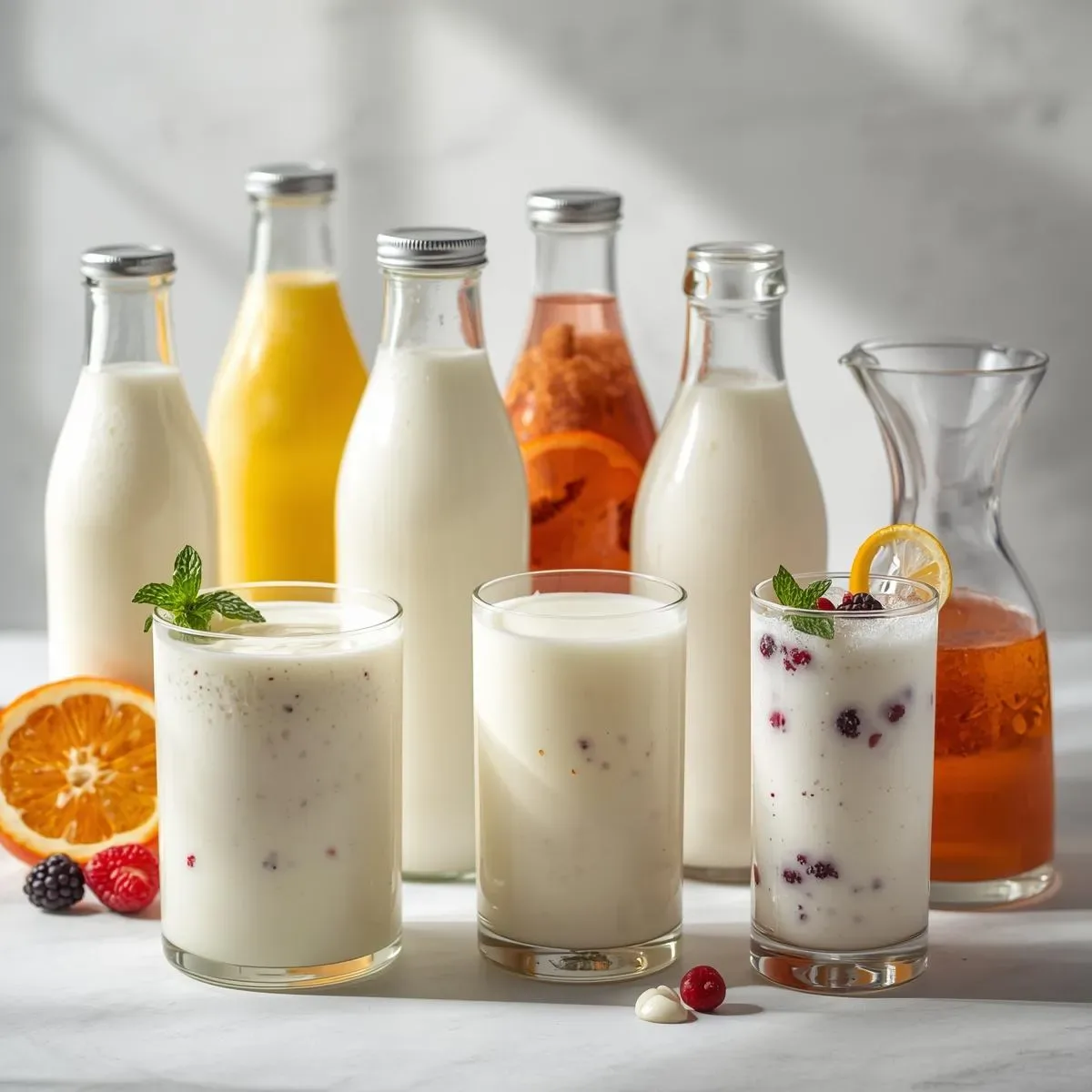
The Origins of Kefir: From Household to Industry
Kefir was originally a fermented drink prepared in households, particularly in the Caucasus and Eastern Europe. Using heritage tibicos grains, fresh milk was fermented for hours, producing a diverse microbial community that aids digestion and supports gut microflora balance. This natural, safe fermentation process became the foundation for serious industrial development.
The transition from household to factory required rigorous quality control, especially in selecting beneficial microbial strains such as Lactobacillus, Bifidobacterium, Streptococcus, and Saccharomyces, including the specific strain Kefiranofaciens, which plays a role in creating natural preservatives and supporting immunity. Every step is designed to preserve the beneficial microbial properties even at large production scales.
Developing the Fermentation Process for Consistency
Rokabo develops kefir using a 24-hour double fermentation process with heritage tibicos grains that maintain purity and quality. This process allows the microbes to grow fully and reduces remaining sugar to just 2.1 g per bottle, remarkably low compared to typical fermented drinks.
The pH of the kefir is 4.32, an optimal level for the survival of beneficial microbes while inhibiting unwanted ones. This also creates a mild, balanced sourness that is easy to drink, without requiring any preservatives or additives.
Microbial Diversity in Kefir
Industrial kefir is often measured by the number of microbial strains present. Rokabo maintains 36 strains—both bacteria and yeast—working in balance to create an environment that aids digestion and nutrient absorption.
The probiotic concentration is ~12 billion CFU/ml, confirmed by lab testing and applied to every bottle. Each bottle is 280 ml, designed for a single serving without overwhelming the digestive system.
Challenges in Commercial Production
Producing kefir industrially presents several challenges: maintaining microbial consistency throughout production, controlling temperature and fermentation time to exact standards, and using packaging that protects against light, heat, and oxygen to preserve microbial quality until it reaches the consumer.
Rokabo uses a custom production process, from selecting high-quality tibicos grains to bottling in glass containers resistant to acidity, with labels clearly indicating volume, CFU, and expiration date for transparent quality tracking.