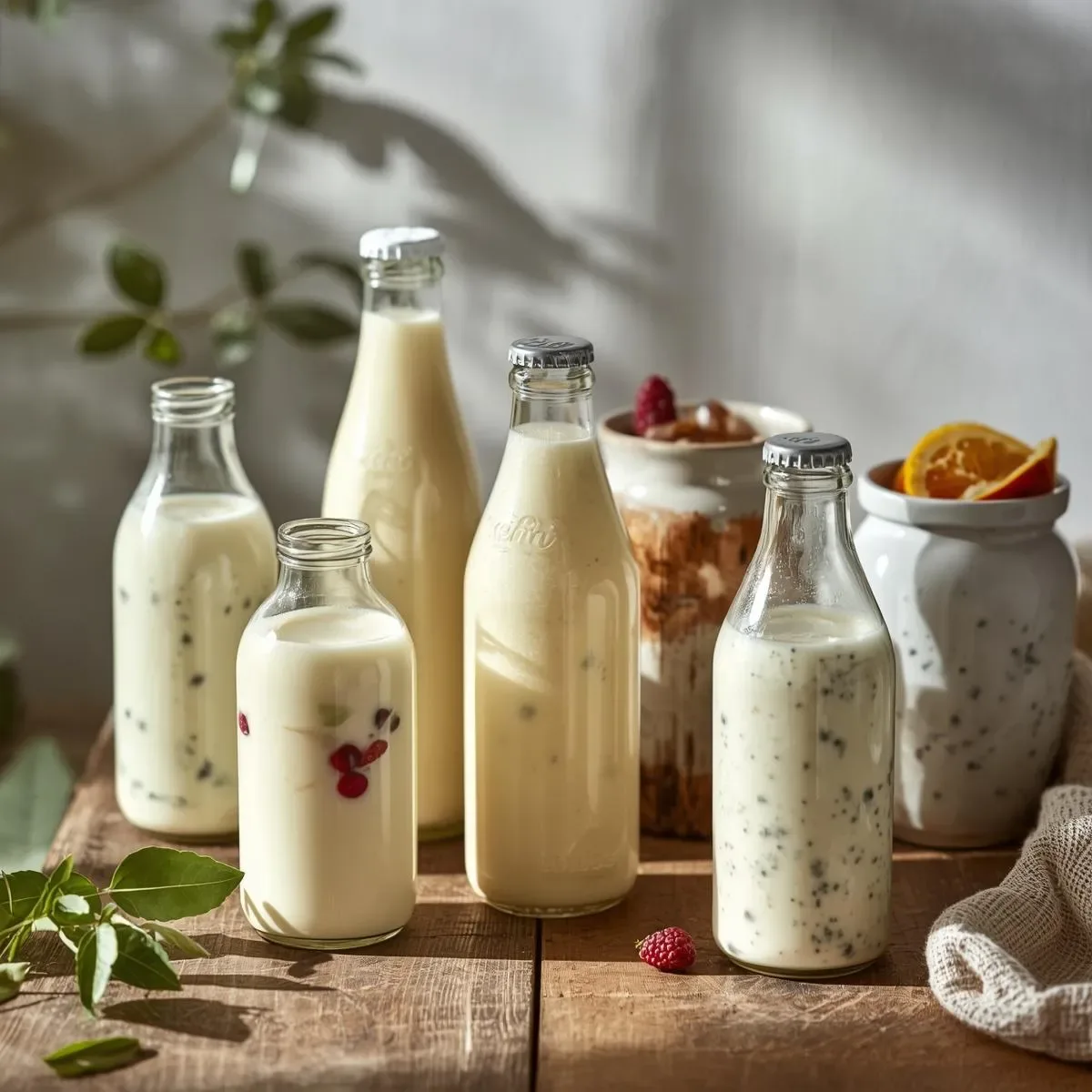
Kefir and Other Probiotic Drinks: The Unseen Difference
In the world of health beverages, kefir is not merely an option—it is a phenomenon of biological complexity sealed within a single bottle. Unlike yogurt or kombucha, which typically rely on only a few strains, Rokabo kefir is crafted from heritage tibicos grains, fermented through a meticulous 24-hour double process. This method does not merely stimulate microbial growth; it creates an environment that sustains a rich diversity of life.
At ~12 billion CFU/ml, the concentration of living microorganisms per millilitre reflects a density rarely found in other fermented drinks. The pH of 4.32 marks an acidity that maintains microbial stability while gently supporting digestion without disrupting gut equilibrium. With only 2.1 grams of sugar per 280 ml bottle, the design prioritises metabolic balance—a thoughtful reduction achieved through extended fermentation.
Microbial Diversity: The Heart of a Biological Ecosystem
Rokabo kefir houses 36 microbial strains, encompassing both bacteria and yeasts: Lactobacillus, Bifidobacterium, Streptococcus, Saccharomyces, and Kefiranofaciens. Each plays a distinct role. Lactobacillus breaks down sugars and produces lactic acid; Bifidobacterium supports protein digestion and may help reduce intestinal inflammation; Kefiranofaciens generates a thin polysaccharide layer that may protect the gut lining.
This diversity is not a figurehead—it is a functioning ecosystem. The tibicos grains themselves are complex structures that serve as both habitat and nutrient source, a far cry from laboratory-isolated cultures that lack the intricate interplay of life.
The Fermentation Process: Delicacy That Creates Value
A 24-hour double fermentation is not simply a longer timeline; it is a strategic orchestration. The first cycle accelerates lactic acid and carbon dioxide production; the second refines microbial balance and reduces residual sugar. The result is a drink with a gently tart profile, low sweetness, and a high concentration of viable organisms.
The final pH of 4.32 falls within a safe, well-tolerated range—sufficient to preserve microbial vitality and mildly inhibit certain pathogens, while still gentle on the stomach. This is not a cure, but it may support the natural equilibrium of gut flora.
Flavour and Drinking Culture: Hidden Elegance in a Bottle
Rokabo offers kefir in five variations: Original, Sakura, Yuzu, Matcha, and Thai Herb. Each is designed to reflect a fusion of Thai and Japanese sensibilities—not mere flavouring, but a purposeful integration of nature and fermentation.
Drinking kefir is not consumption; it is participation in a living cultural practice. Every bottle is a product of time, patience, and an understanding of microbial nature. Those who begin the ritual often notice a quiet response—improved digestion, diminished fatigue, a gradual easing of abdominal discomfort.