The Diversity of Gut Microbiota Is the Heart of Health
The human gut microbiome is a complex ecosystem composed of trillions of microorganisms—bacteria, yeasts, and other microbes. Species diversity is not just a number; it is an index of the ecosystem's resilience and balance within the intestine. The greater the variety of strains, the better the digestive system can adapt to changes in diet, medication, or stress. Each microbial strain plays a specific role: digesting dietary fiber, producing short-chain fatty acids, or synthesizing vitamins K and B12. This balance helps reduce the risk of dysbiosis, a condition linked to bloating, constipation, and chronic inflammation.
Probiotics from Kefir: A Wellspring of Diversity
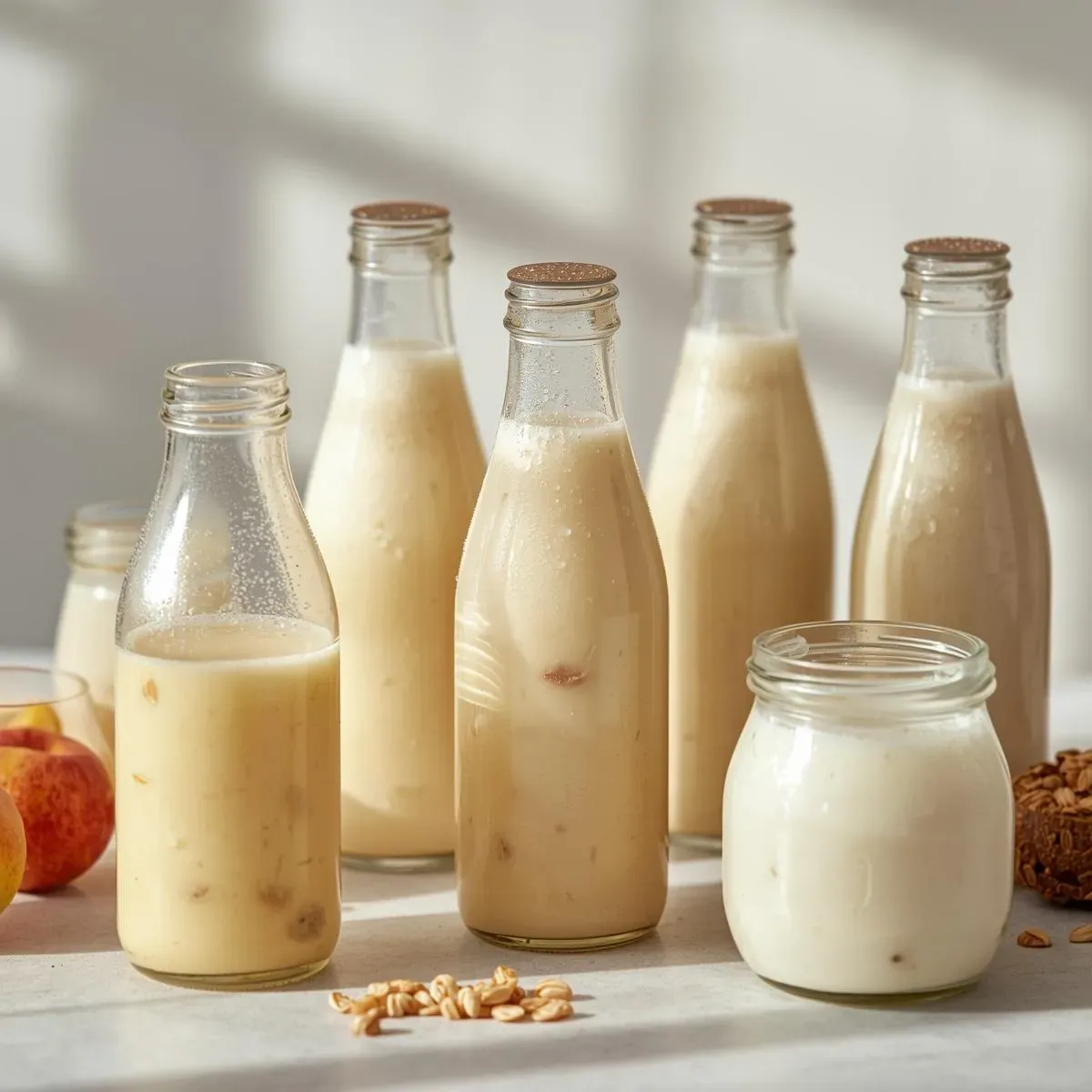
Kefir is more than an ordinary fermented drink; it is a natural source of probiotics with an exceptionally high strain diversity. Rokabo uses heritage tibicos grains, fermented for two 24-hour cycles to maximize the vitality of the living microorganisms. Each 280 ml bottle contains ~12 billion CFU/ml of probiotics from 36 strains, including Lactobacillus, Bifidobacterium, Streptococcus, and Saccharomyces—all strains studied for their potential to support the balance of the microbiome.
How Kefir Probiotics Nourish the Microbiome
When consumed, the live microorganisms in kefir travel to the large intestine without being severely damaged by stomach acid, thanks in part to the drink's pH of 4.32—a level that helps certain strains survive transit. These probiotics may enhance diversity by competing with undesirable microorganisms, producing natural antimicrobial compounds, and creating an environment that favors beneficial bacteria, such as Kefiranofaciens, which plays a role in strengthening the intestinal barrier.
The Value of a Meticulous Fermentation Process
The 24-hour double fermentation is not merely for flavor; it is a strategy to allow the microorganisms in the tibicos grains to express their full potential. This process generates beneficial metabolites such as lactic acid, acetic acid, and glucose-derived compounds that support immune function. The sugar content is just 2.1 g per bottle—far lower than typical beverages, as most sugar is consumed during fermentation. This makes the kefir suitable for those mindful of sugar intake. The range of flavors—Original, Sakura, Yuzu, Matcha, and Thai Herb—reflects a Thai sensibility expressed through a Japanese aesthetic.
Begin the ritual