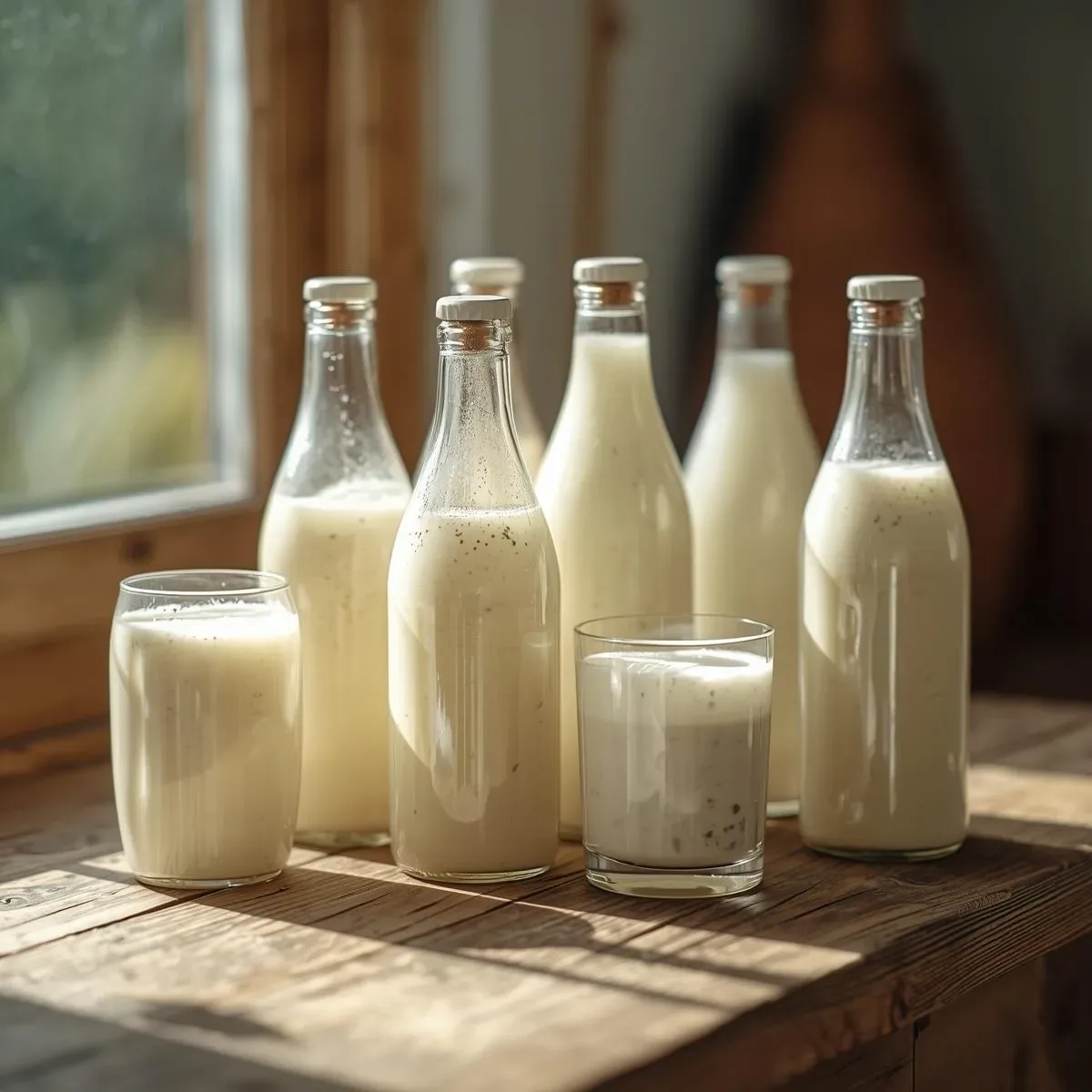
Kefir in the Healthy Kitchen: A Flexible, Living Ingredient
Kefir is more than a drink for digestive wellness—it is a powerful ingredient in the health-conscious kitchen. With a balanced pH of 4.32 and a 24-hour double fermentation process, its live microorganisms remain robust, ready to support gut health through every meal.
Each 280 ml bottle contains a diverse community of over 36 strains, including Lactobacillus, Bifidobacterium, Streptococcus, Saccharomyces, and the unique Kefiranofaciens that helps create a natural fibrous matrix in the gut. This richness makes kefir a living ingredient, one that adds nutritional depth without synthetic additives.
Using kefir in the kitchen is not limited to drinking—it is about integrating a live culture into every dish, enhancing both flavour and function.
Substituting Kefir in the Kitchen: Unexpected Versatility
Kefir can replace milk, sour cream, or even eggs in certain recipes without sacrificing taste or structure. In baking, for instance, the acidity and live microbes react with baking powder to release carbon dioxide, yielding pancakes and muffins that are fluffier and more moist than those made with ordinary milk.
In salad dressings, kefir provides a refreshing tang while reducing the need for oil, cutting calories without losing creaminess—and adding probiotics to a course that often lacks live cultures.
For meat marinades, kefir outperforms lemon juice or wine. Its mild acidity, combined with live enzymes, gently breaks down muscle fibres, tenderising the meat while preserving its texture and imparting a deeper flavour.
Kefir and Nutrition: Value Beyond the Visible
Kefir made from heritage tibicos grains harbours 36 microbial strains, far more than the 2–5 typically found in yogurt. This diversity gives it a greater potential to support a balanced gut microbiome.
With a concentration of ~12 billion CFU/ml, each millilitre contains a dense population of viable organisms that may help strengthen immune function and support deeper digestive processes.
Its sugar content is just 2.1 g per bottle—remarkably low because the extended fermentation consumes nearly all the sugar. This makes kefir suitable for those managing blood sugar or insulin sensitivity.
Healthy Meal Ideas with Kefir
Start with a smoothie: blend one bottle of kefir with fresh fruit like banana, apple, or strawberries. The result is a lightly tart drink that supports regularity and adds natural sweetness without extra sugar.
For breakfast, use kefir in place of sour cream over oatmeal, or stir it into vegetable soups for a probiotic boost and a silky texture.
If you enjoy baking, substitute kefir for milk in pancake or cookie recipes. The slight tang cuts richness, and the moisture makes the final product tender without requiring excess eggs or oil.
The Culture of Drinking Kefir: Health and Spirit
Drinking kefir is not just consumption—it is the cultivation of a sustainable health habit. The disciplined 24-hour double fermentation embodies a balance between nature and science, transforming milk into a living culture that nourishes both body and mind.
Using kefir in the kitchen reflects a lifestyle that values personal well-being and environmental care. Made from natural fermentation, free from preservatives, and minimally processed, kefir leaves a light footprint on the planet.
Begin the ritual